Featured

Freediving with the Bajau

355338_724a299a8f57be288e63fdd7e019024f

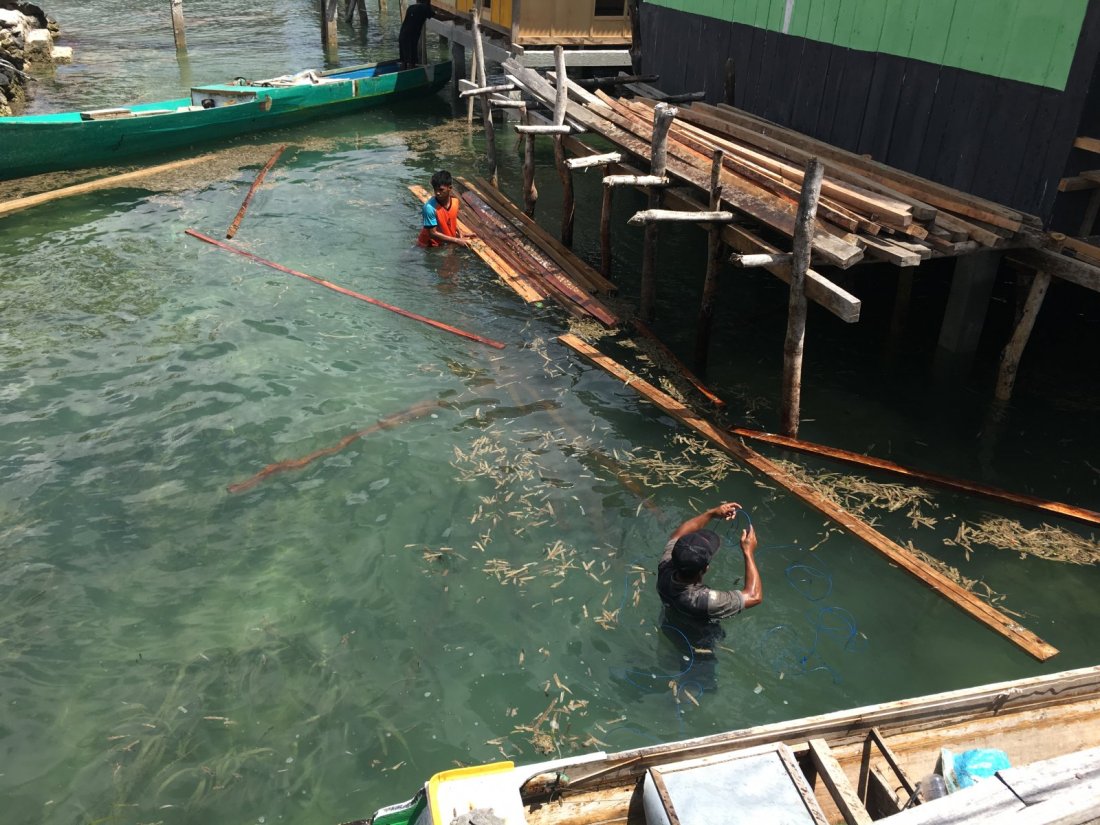
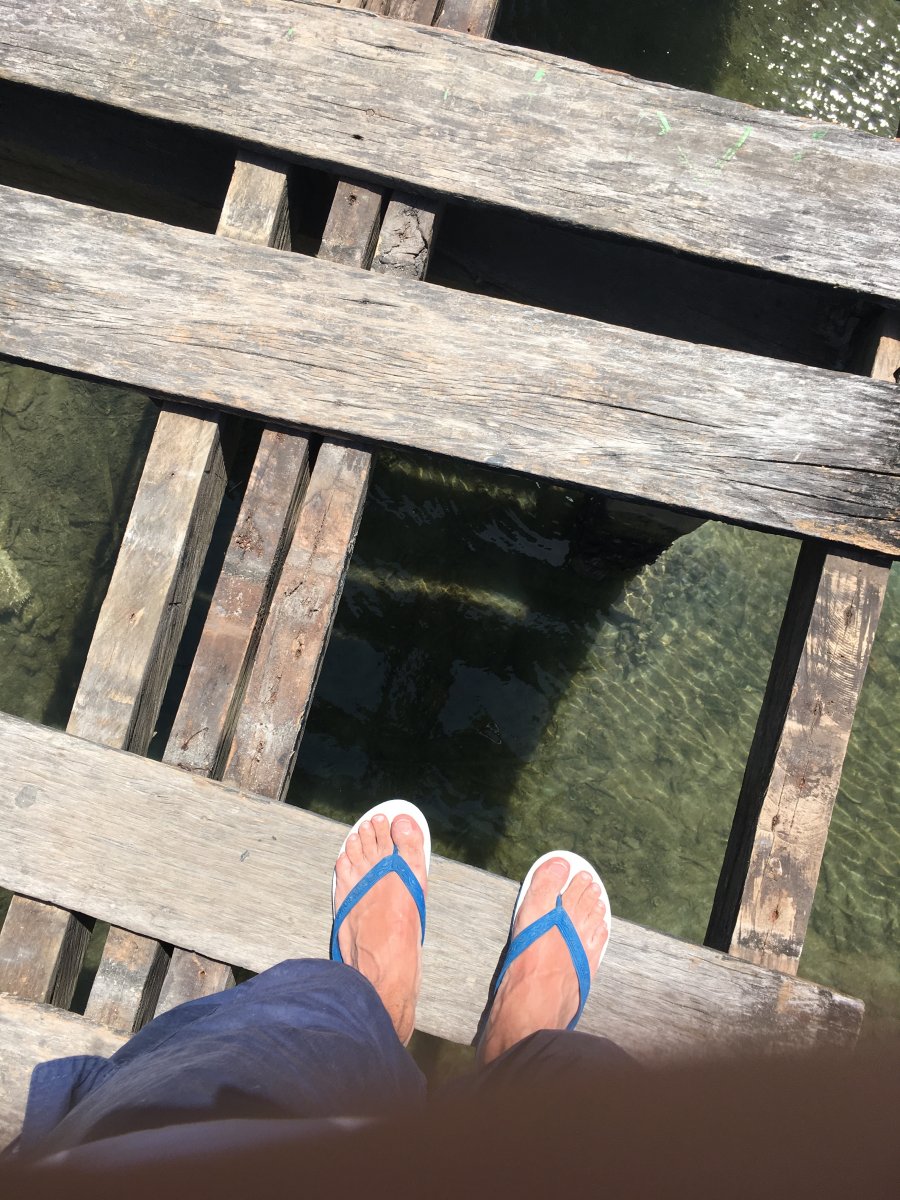
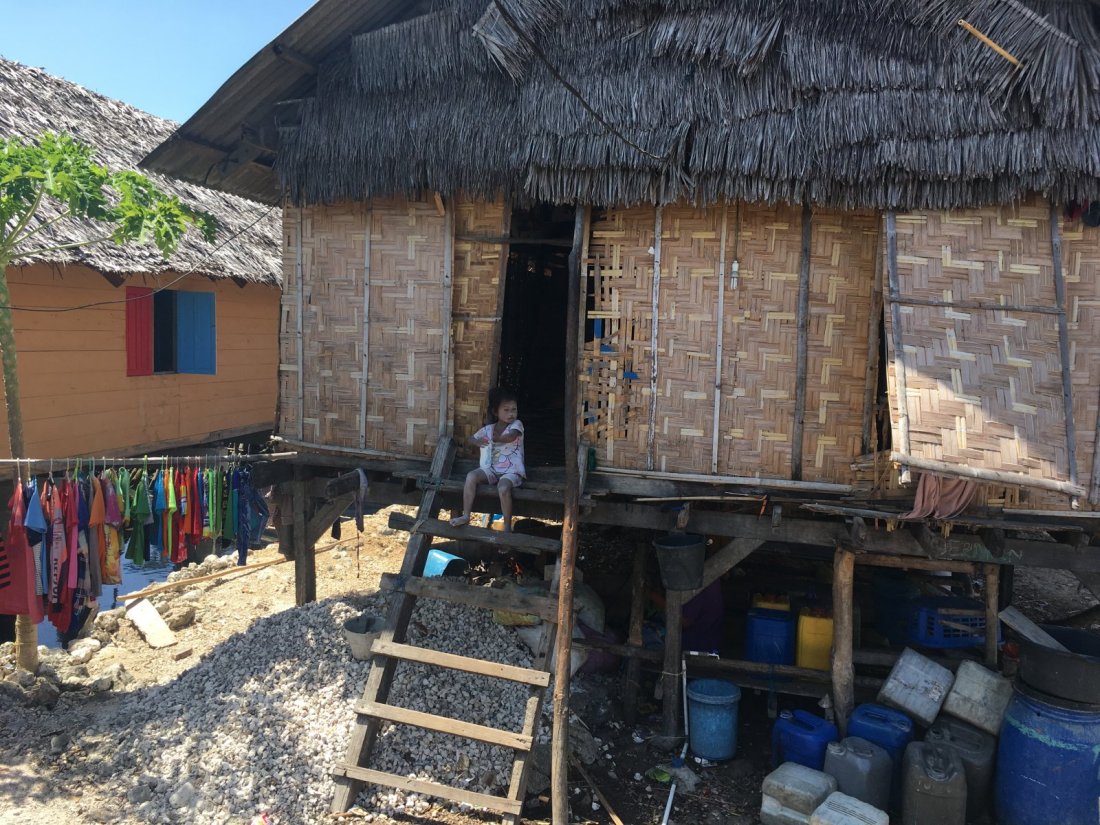
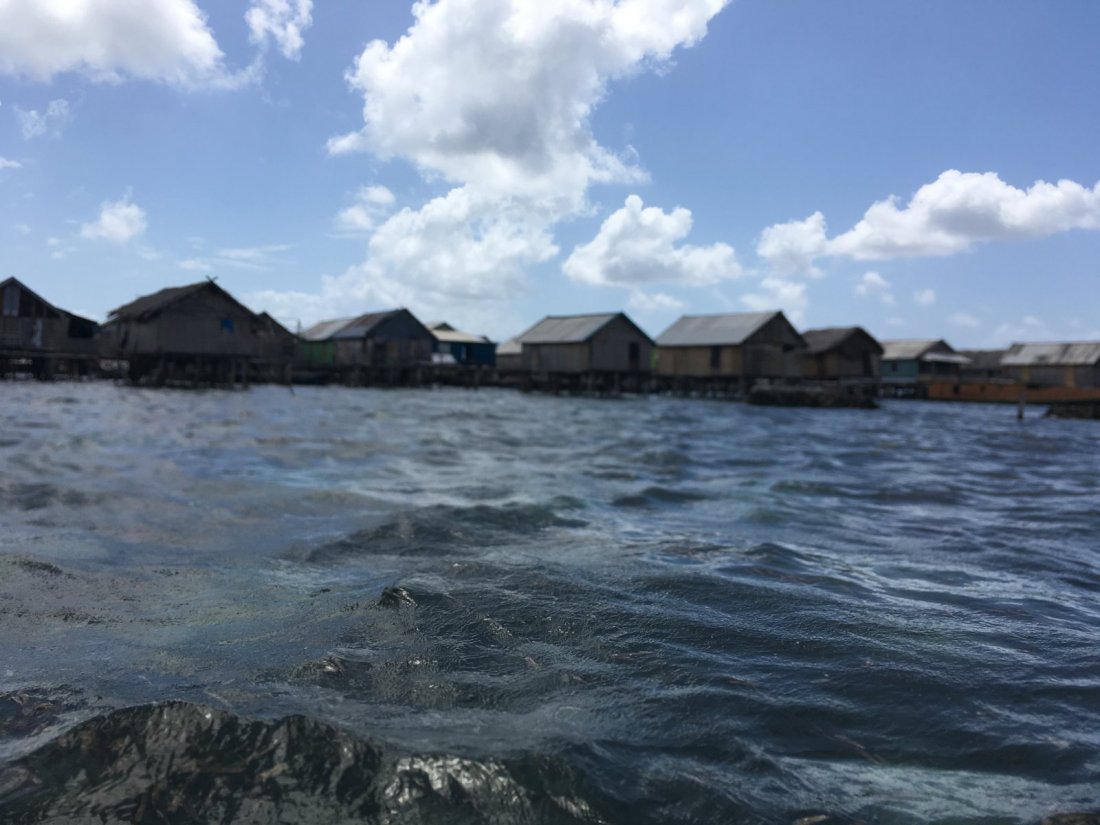
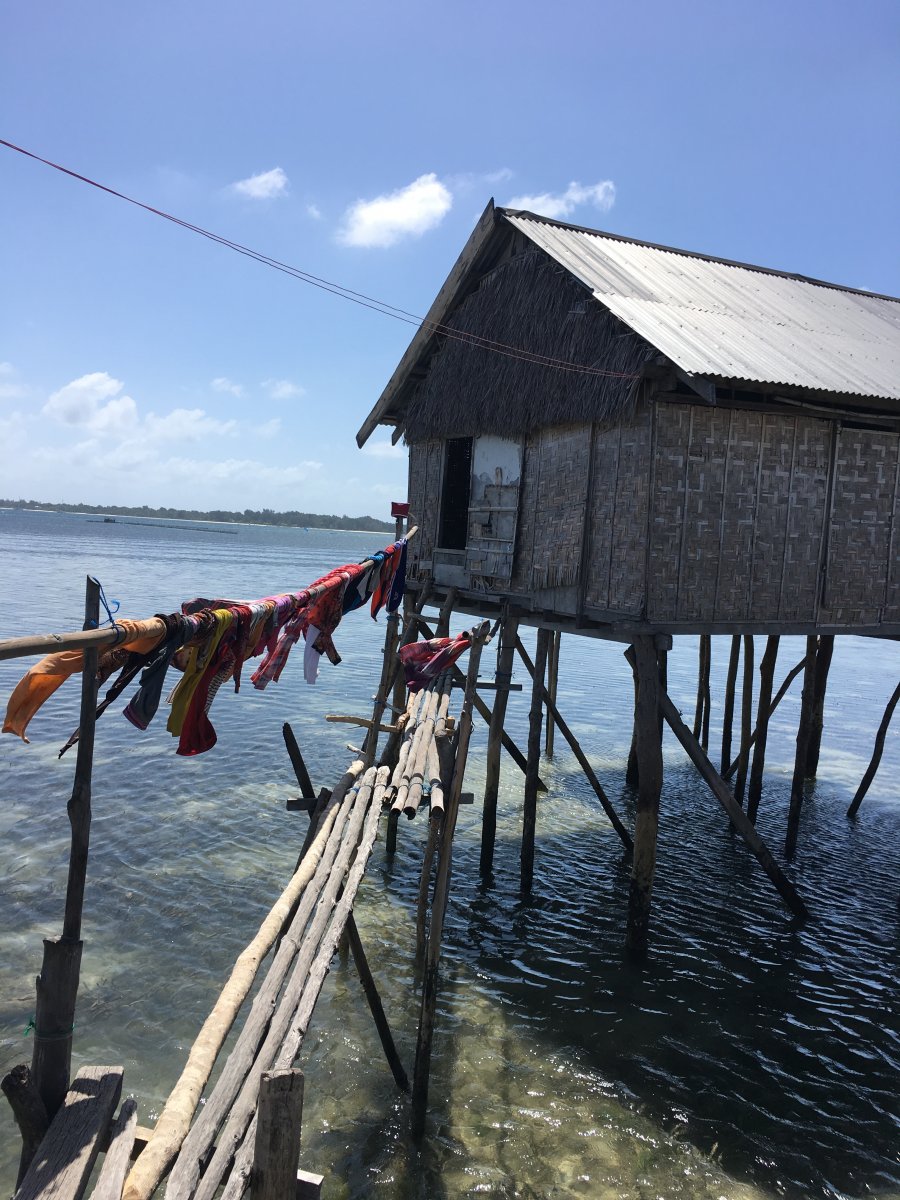
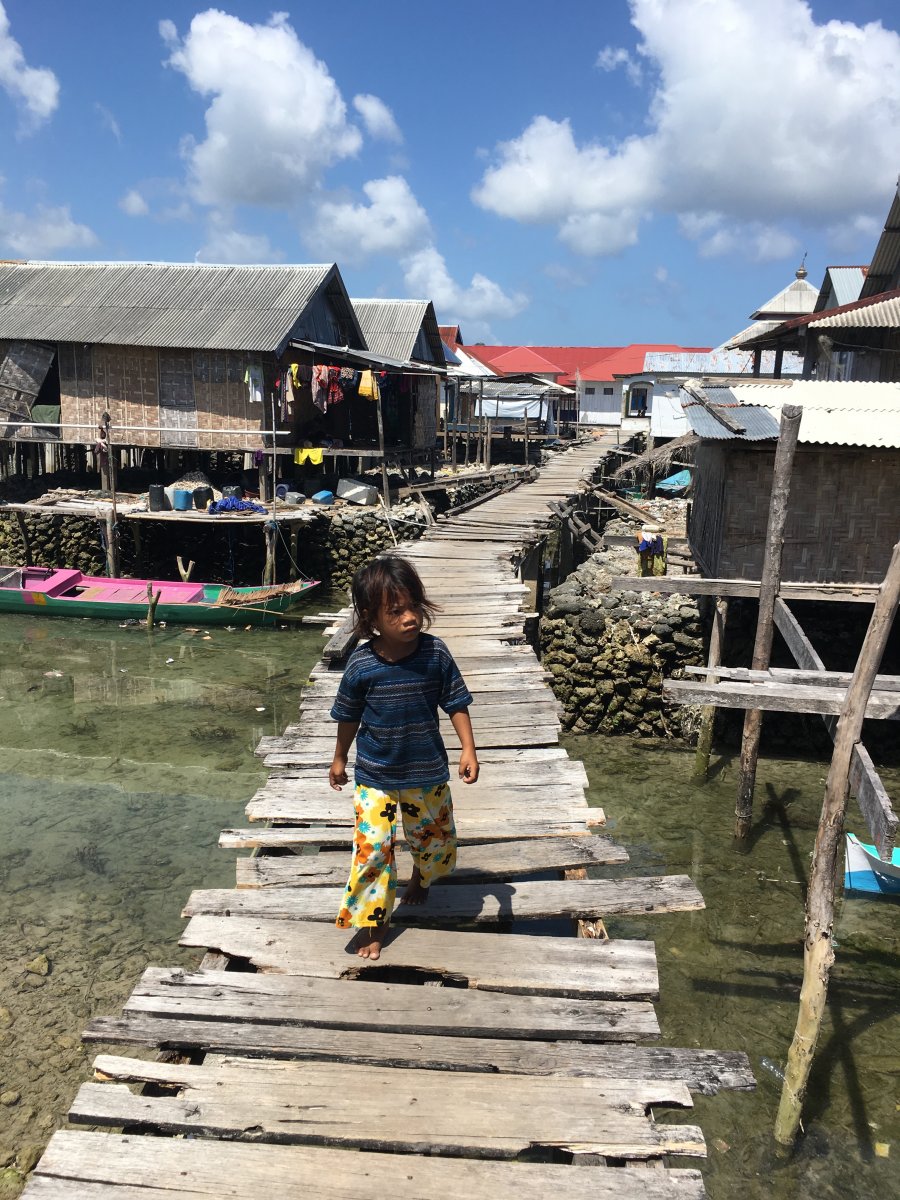
After a turbulent boat ride, I found myself climbing on the planks on stilts based on the coral reef. These were the streets of Sampela, the village where the sea nomads have settled. P., my host, smiled and immediately showed me the hut I would live in: two rooms, one mattress and one lamp, and a toilet that had direct connection to the sea. If you step heavily on the thin planks you can also find yourself in the sea. P. runs this business since he is one of the few who can speak English.

“Do you want beers?” He says, “My wife and child are going to the shore to bring water.”I nod yes. I explore my hut.

355343_829628fbd95e2d48d2b65e8caf3efe90

“How big is your village P.?”
trying to start a conversation. “about 500 people… There are two other Bajau villages nearby” (Bajau population is currently estimated at 800,000, most of which now live permanently in villages).

“All the villages are over the sea?”

“Of course,” he says, “You know, Bajau don’t like mosquitoes.”

“And there are no mosquitoes here?” “For mosquitoes to come there must be plants. You cannot find plants over the sea!”

“Do you live all year in the village?” “My father goes for months at a time on large fishing boats, but I think it’s not worth it.” “Have you travelled to anywhere, for example to Java?” “Yes,” he says, “I’ve been to Germany. A German TV channel made the expenses! A guy came to shoot a documentary in Sampela. And then, he invited us to Munich, me as an expert swimmer and a veteran Bajau as an expert freediver. “” How did you find Germany? ” “Cold,” he tells me. P. does not waste his words.

I started a reconnaissance walk. “Step at the centre of each board, which has support, otherwise it may be rotten and you fall.”
355340_dc679c1bbff3616ca14d97af0f3ff82a

355496_922d777c1e1010acfaa9a27fde8a4865
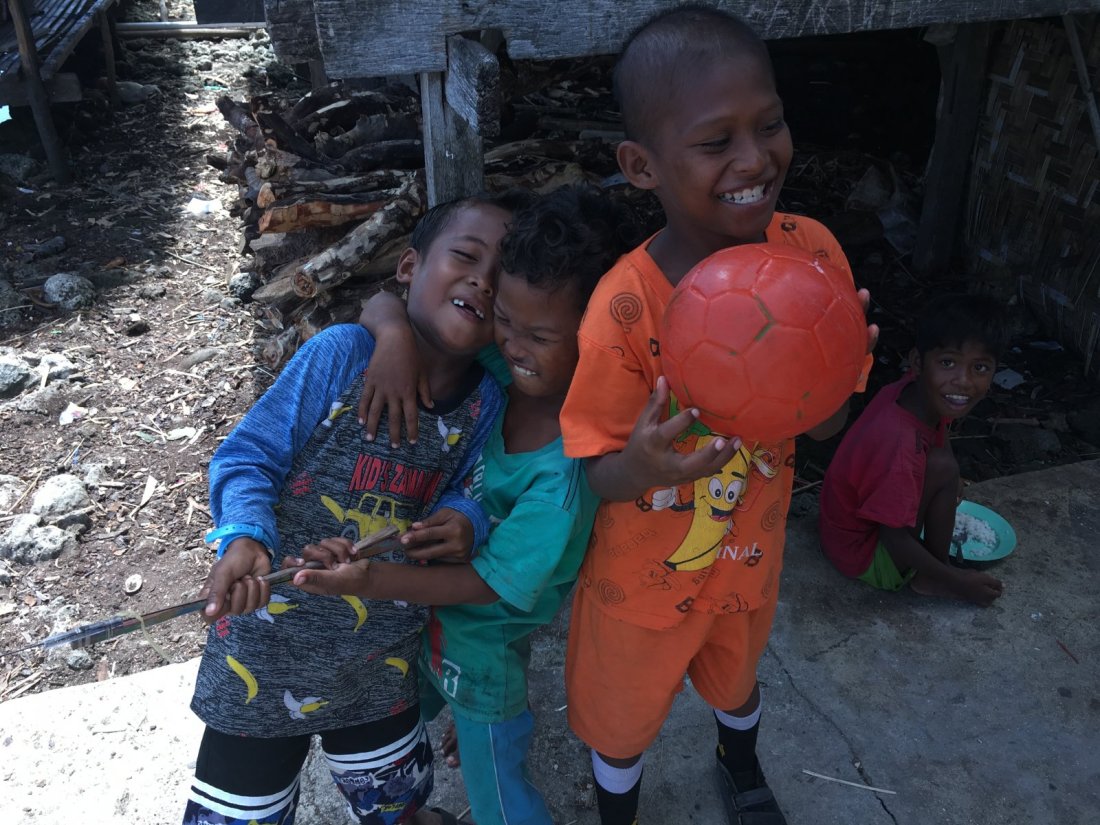
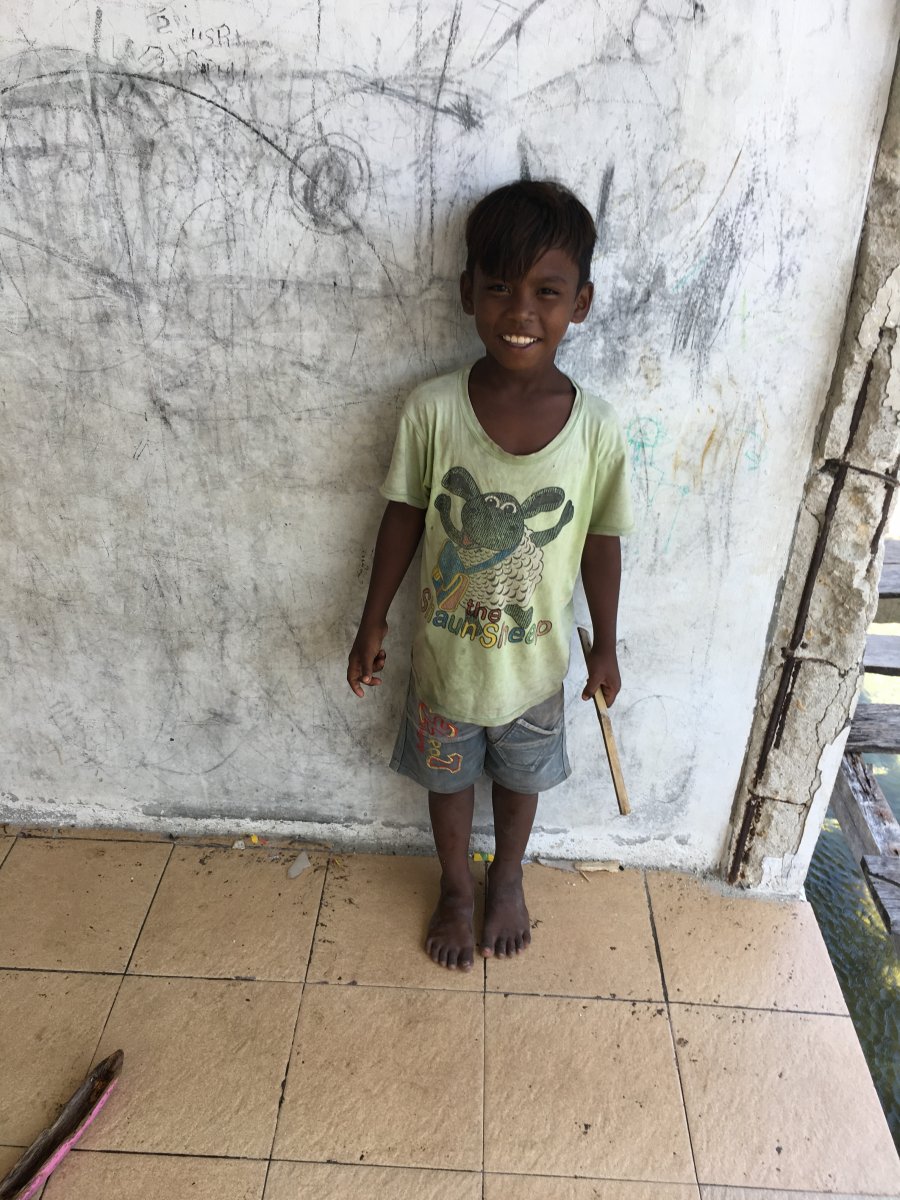
Bajau children were amongst the happiest you’ll meet
355339_90c8c52abe109946a35c7a21a6eb21f9
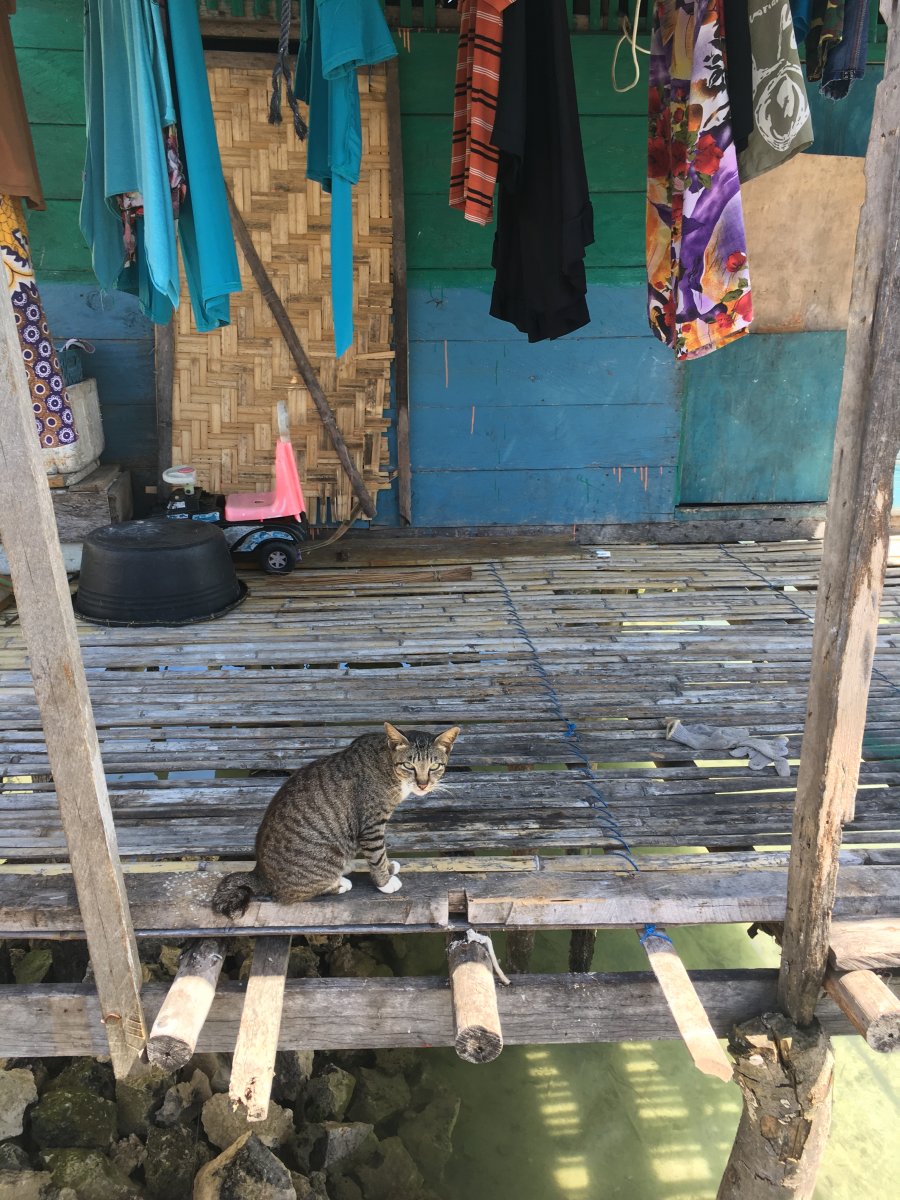
Where there’s people, there’s cats

355345_9477c6e3d28e9e1695e074ab8e90c483

355346_dc24a2d8ad2b4037bb9ca81e674875d4
Village is expanding fast

355494_4422bab288787ac4c6ae45c40ef82800

355504_80ef0f8c52ad7b9d1e1af4ef6250f47b
Some Bajau, mostly women, put a rice cream on their faces for sun protection

With a bunch of kids following me, we reach the courtyard of the mosque where small kids kick a ball. Yes, there is even mosque on the reef! P. told me they are all Muslims, but not too passionate, I realised from the context.

P. arrives and shows me around: “Here’s the school.” “Oh, yes, I’ve heard about it. The children of Hoga come here with the boat.” He lowers his head, “Do you see these beers in the school yard? You get the idea… “. We arrive at the football pitch the Dutch lady H. built in the most central point of the village. The court is small and they play footvolley, picking up occasionally the ball from the sea. P. proudly recommends to his teammates the Greek, who however proved to be a poor representative of the football of his country.

355484_fef7a7db8b08b45577a1160aa6734fb2

355485_4da31c797a120219141c3df9e256035b
Education of the kids is focused more on fishing, using baby spear guns

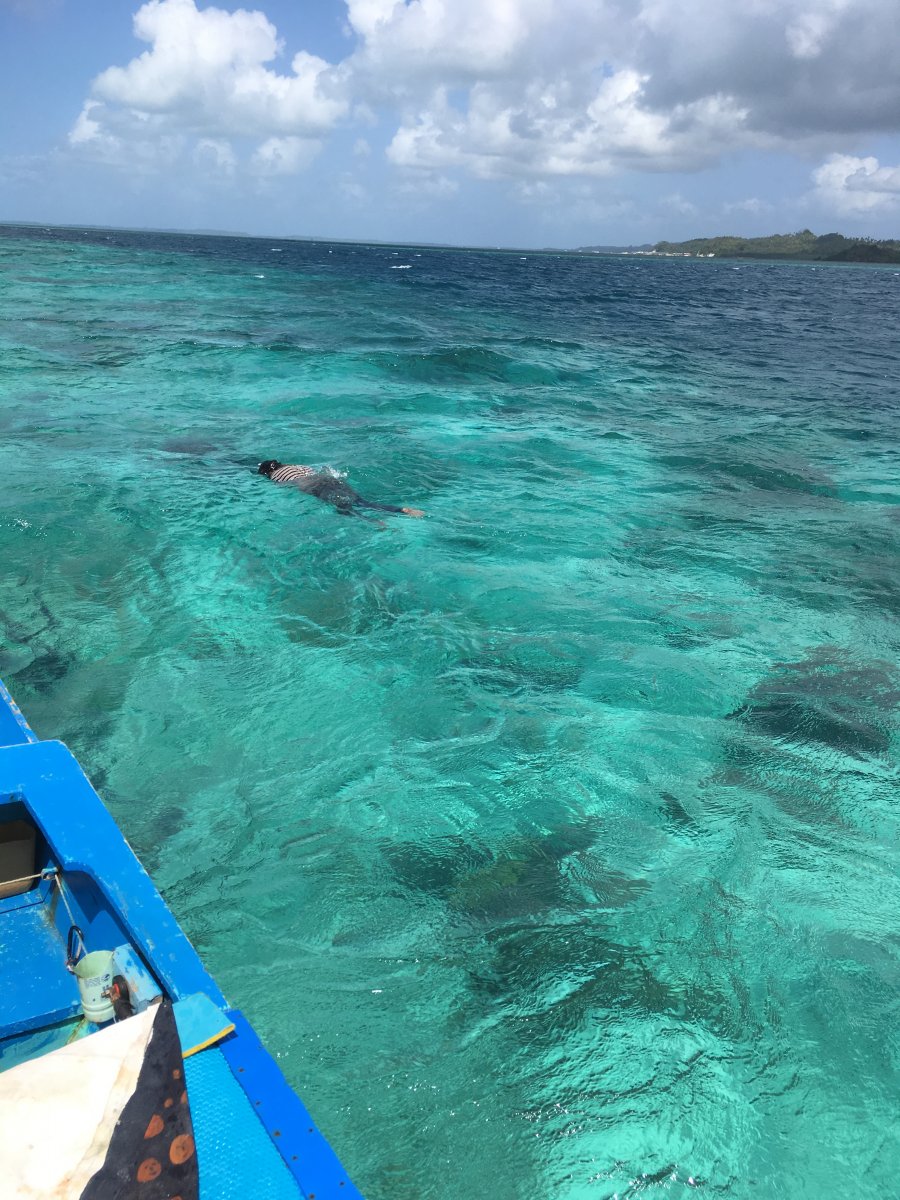
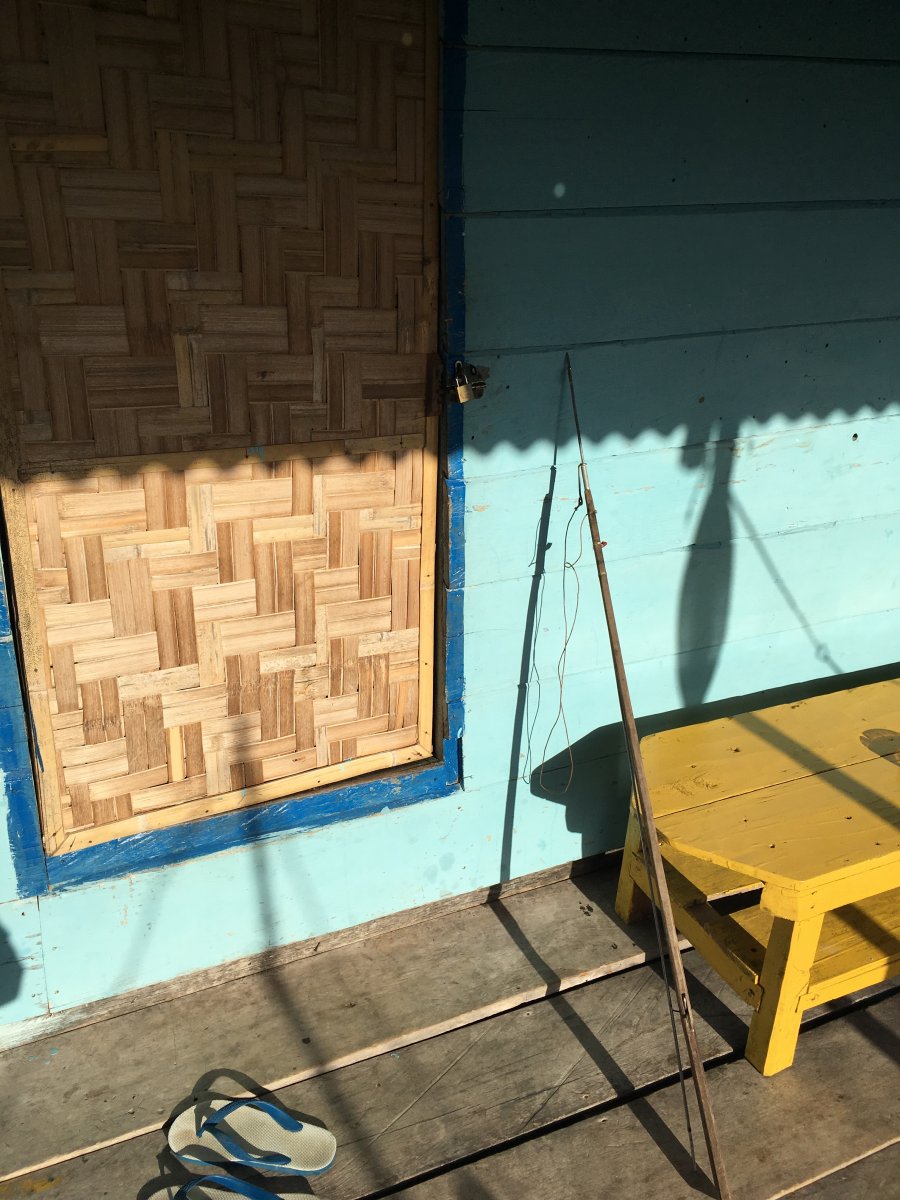
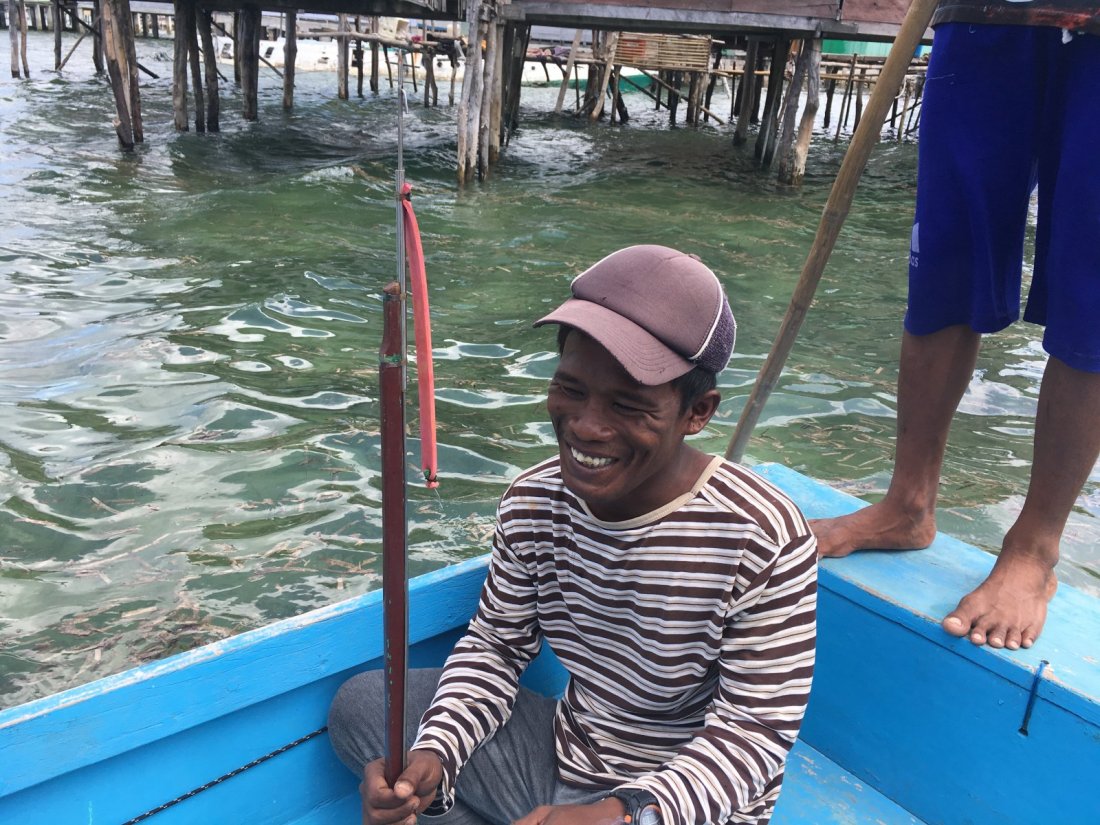
Next day there was a spear gun waiting outside my door. We were going to catch daya (Bajau word for fish), after a short visit to sign the village’s guestbook. Together with one of P.’s friends, we rode the boat to the coral between Sampela and Hoga. There, I became a witness to the Bajau underwater fishing technique. Majestic seen from above.
355477_2a7d44704d5b8f29ebfe7b4631b05f70

355478_1af04897a6cf2dc8c858420ecbaf9510

355480_61946318f551d3cb8f163f839cb1318c

The technique is learned by every male Bajau from the first moments of his life since the tradition is to throw babies into the sea until someone dives to save them. Here a Bajau filmed for a BBC documentary:

P.’s friend gives me the spear gun to try my luck. A few minutes later and some unsuccessful attempts, I hear noise from the surface and P.’s friend grabbing my spear gun and hiding it under the coral. We go out, to see a boat next to ours and P. talking to two guys. A chubby one with glasses, not very comfortable being on a boat, and another one with rough features. “You,” says the second, “What are you doing with the speargun here? Don’t you know it’s a national park? “. All eyes on me. “I was snorkeling,” I lied, to save myself, but also not to put P. into trouble. Bajau is a very marginalised society, completely dependent on fish, which have become scarce because of the large fishing boats. P. opened the holds and showed that we have neither spear guns nor fish. “We saw you with the binoculars” said the spectacled one. “And in order to snorkel here, you have to get a ticket for the National Park.” Again, I was surprised. “The ticket…..”. “Get off to the shore” he said angrily.

The closest land was Hoga. The tide had begun to rise, and so we had to leave the boat and walk with P. a 500 meter distance in the water. A shameful walk. We found the two guys chatting with the Dutch lady H. while the bungalow residents were observing with curiosity. After some discussions, H. proposed a compromise: we’ll pay for the ticket, the pricing of which had become a bit creative, so that everyone realises it was a misunderstanding.

355130_9873e4aa44d9c1394172dbb72a76f1af

Back to the boat, we searched underwater for the spearguns and found them. P., who was both apologetic and angry with the water police, began telling me a story from his student years in Kentari. Some people were bullying him, because he did not smoke (indeed, P. must be the only Indonesian I knew how doesn’t smoke) and two machetes had appeared. “These conflicts never end up well” he concludes, showing me a scar in his leg.

P. had caught a fish. “Do you eat sushi?”, with a knife he cuts the raw fish into bits. He ate one, put another in his hand and offered it to me. “Try it.” It was not bad, with all this walking in the water I was hungry. “You are on the right track to become a Bajau,” he tells me and we laugh.

My time with the Bajau was soon over.

ezgif-4-53354152d2e2

Finding those who live over the sea

Weighting up my alternatives, after the boat cancellation, it was clear I had to retrace part of my journey by air, since there were no direct flights from Komodo to the island of Sulawesi (Celebes). Both options, via Bali or via the city of Surabaya in Java were equally expensive for a last minute fare, and I chose the latter in order to avoid disruption from tourists evacuating Bali after the earthquake. My first flight at 10:35 with Lion Air was canceled and we were moved to the 13:50 flight, along with a meal of consolation. This is when I had that discussion about Euphrates river.

352946_a1c9615fcaf1e1e766cc21a2d60e13e7

352947_079a6b4b0ff80192907beb65799e2122
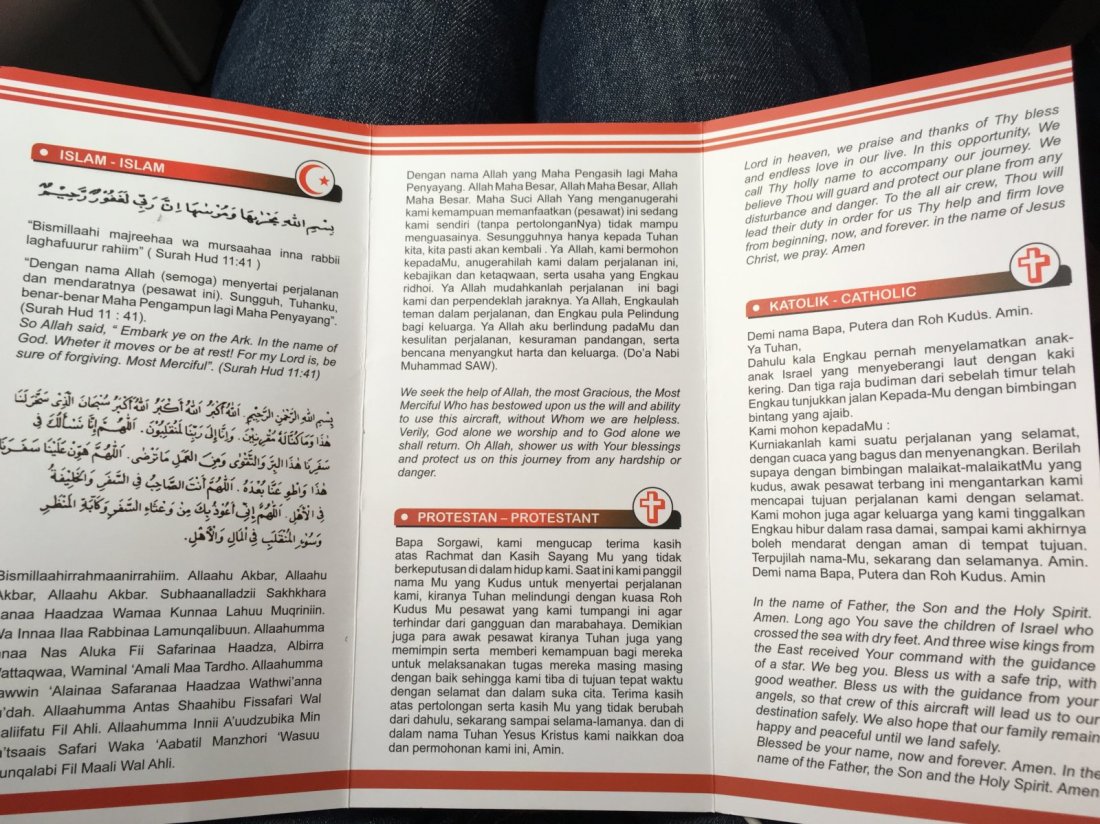
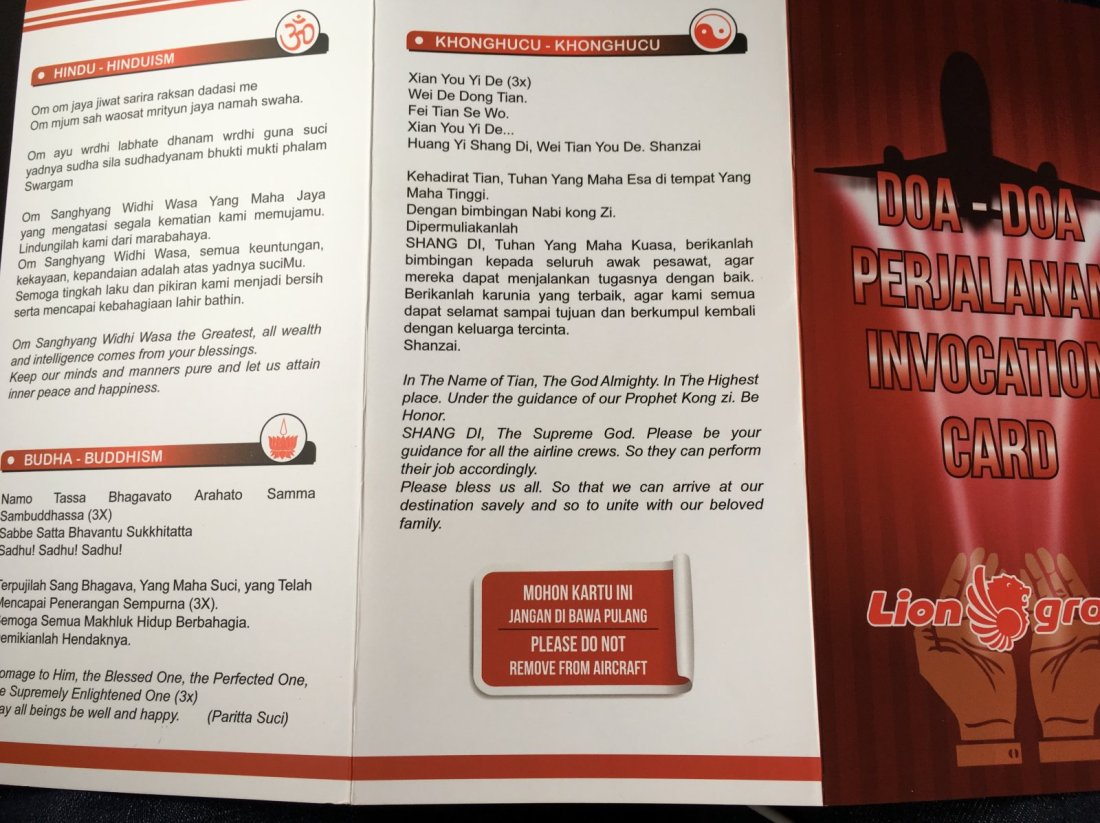
Lion Air’s prayer sheet proves the diversity of Indonesian religions.

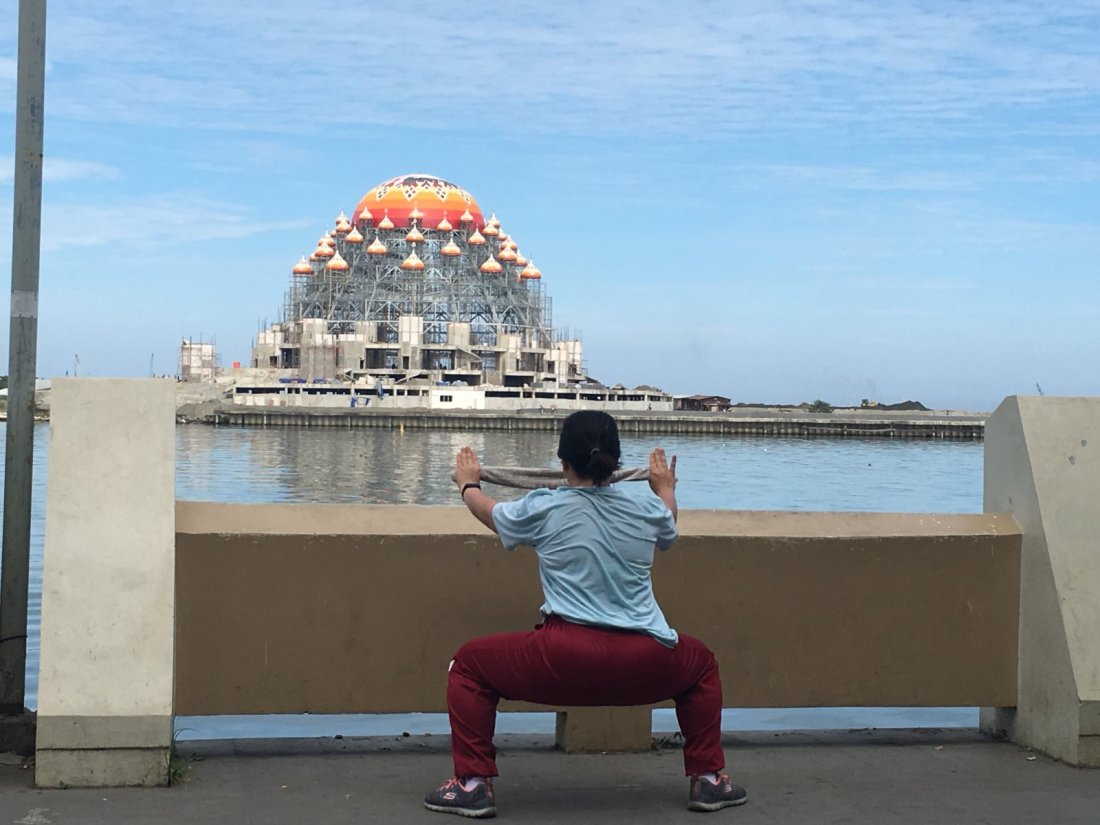
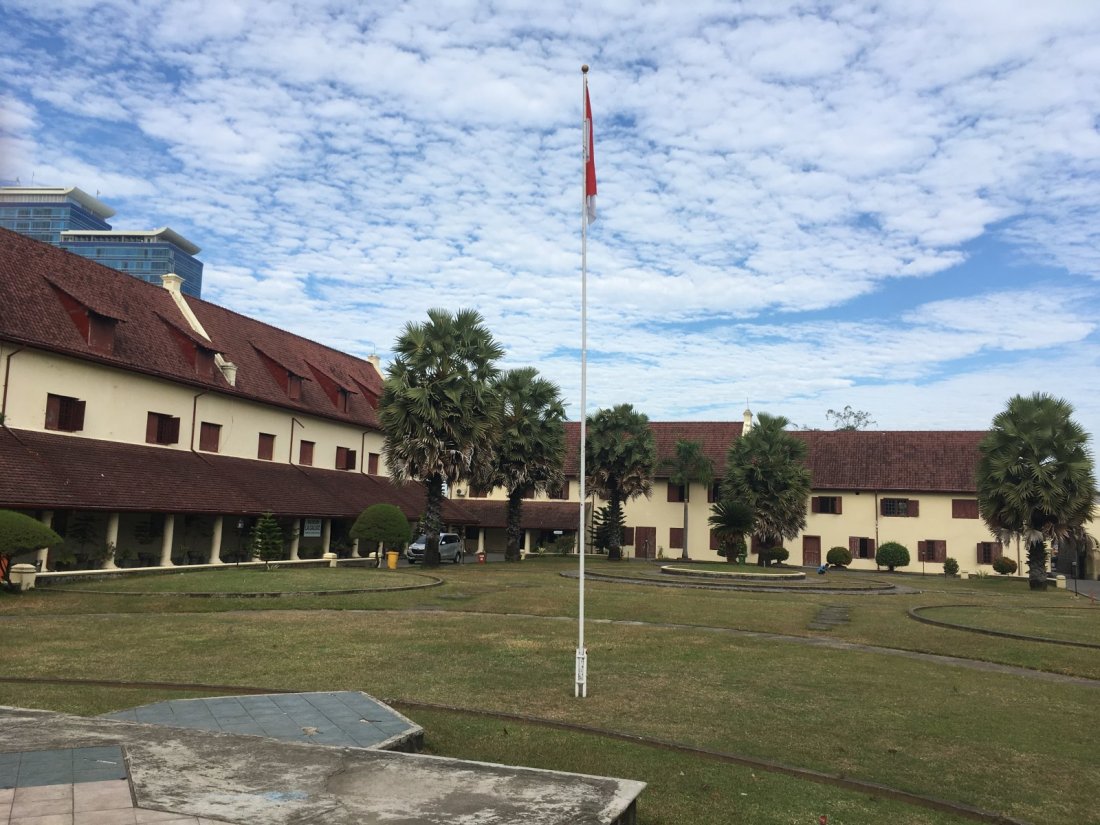
Once in Makasar, the capital of Sulawesi, I spent half of the next day admiring the surreal promenade called Pantai Losari and the Dutch colonial remnants of Fort Rotterdam. Speaking a few Indonesian words apparently saved me a few rupiahs, since the officer decided to offer me with the discounted ticket for the locals. On the other hand, a local tour guide managed to take my whatsapp and flood it in with messages about day long trips and pictures of ‘unmissable’ places.

354811_1ff268e28659bccca1fe1c9f24756b8b
Pantai Losari, looking at a mosque under construction opposite
354800_ffa2d69323fd880cd74206f4cc439d30
Fort Rotterdam, the well-preserved centre of Dutch colonial command

My entrance to Wakatobi islands was the airport of Wangi-Wangi. The name Wa-ka-to-bi comes from the first letters of the four islands: Wangi-Wangi, Kaledupa, Tomia and Binongo. Odd! My target was the second island, Kaledupa, and since the speedboats departed only in the morning, I had to stay one night in Wanci, the capital of Wangi-Wangi. This is probably the biggest disadvantage for tourists traveling to this place: you need two extra nights, one in each direction.

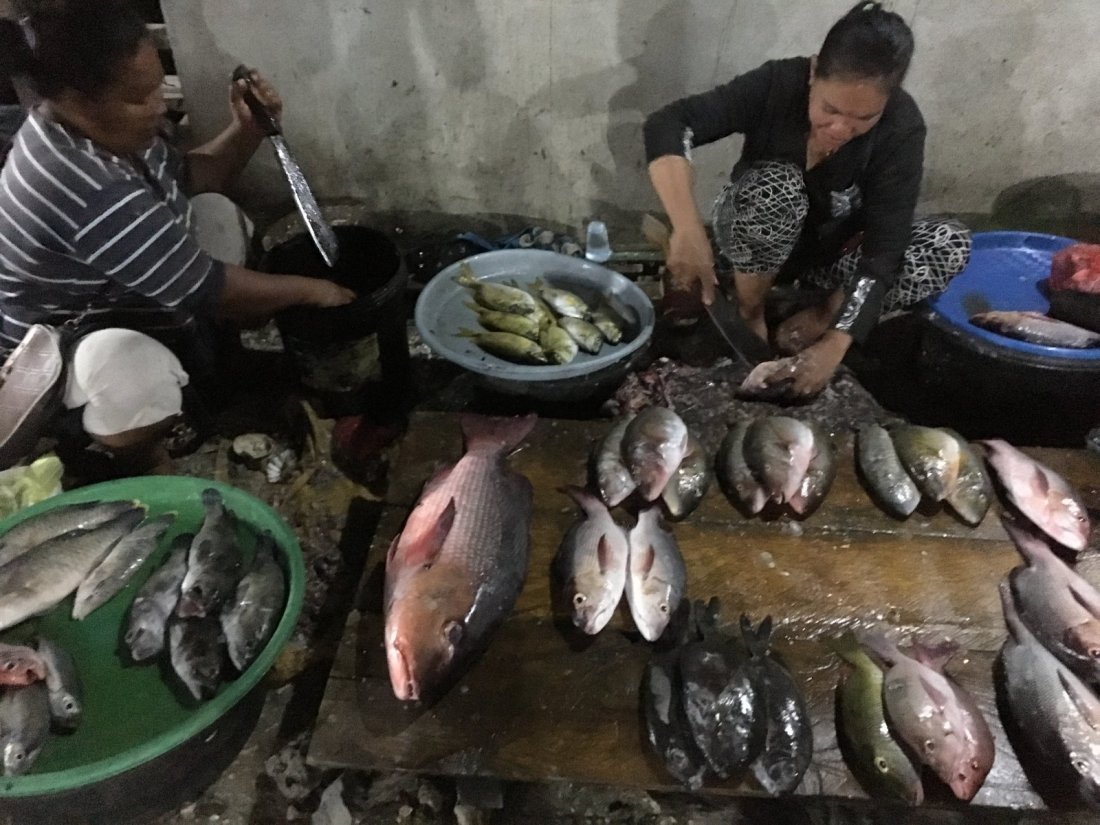
Wanci, however has its charms. A busy night market full of fish and figures moving in the dark. The local girls were unusually direct and flirty for this part of the world. The only other Westerner appeared next to me only for a moment, to help me buy some fruit using his Indonesian. On my way to the harbor, the next day, I even spotted a demonstration. “Local authorities are rubbish”, said my moto-taxi driver. This place was definitely different from the touristy places I’ve seen in the first 20 days.

354823_29238e5c0560af7277763762dcc1a5a8
Plenty of fish in Wanci night market
354819_405aef6b92f678cdf25368c7289fd2d0
Map of the islands

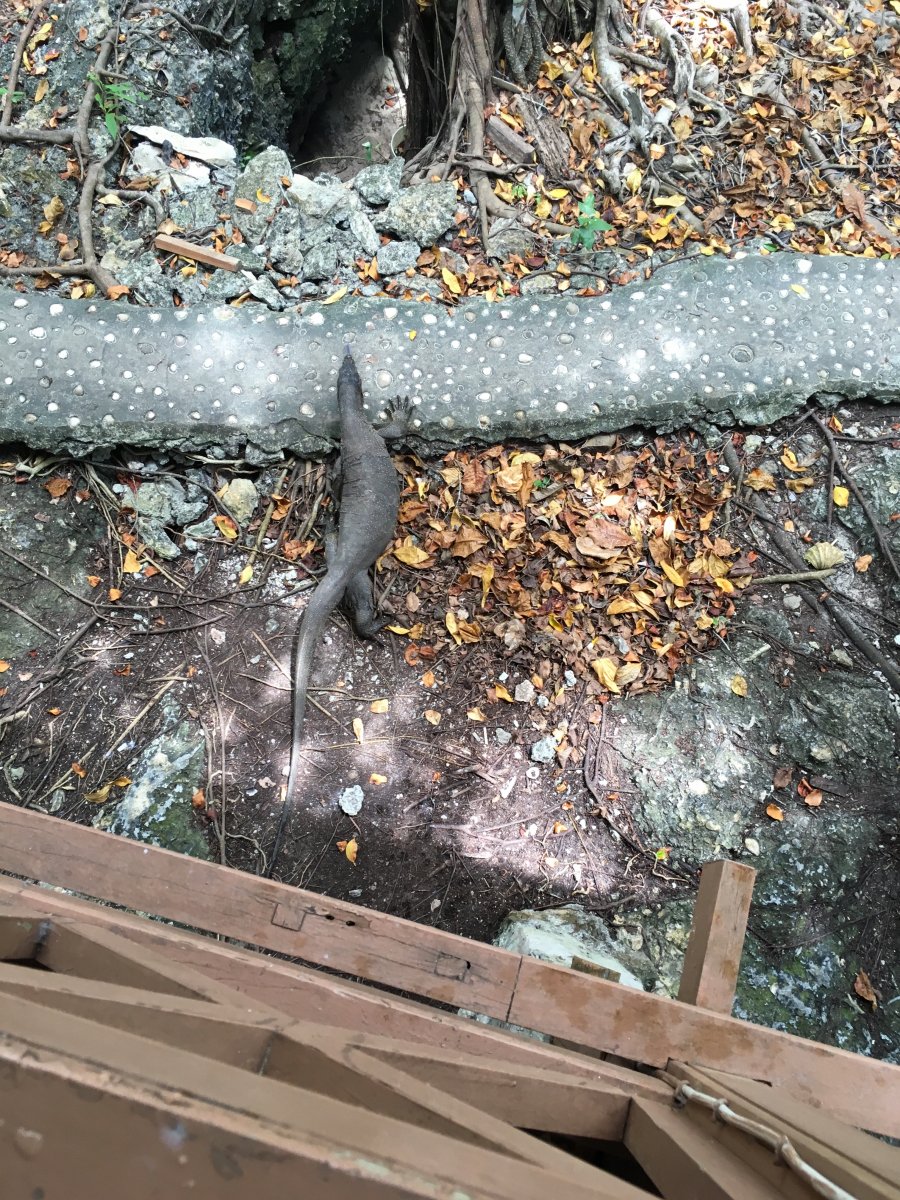
Once in Kaledupa, I stayed in a Dutch lady G.’s bungalows in a tiny island off the coast called Hoga. On the way I teamed up with Italo-Lebanese-Briton A. and his Moroccan girlfriend I. and a mellow retired music teacher from Queensland J. Initially there was no free bungalow for J. but general manager and excellent cook local lady V. found a solution, but moving around some of the staff. One doesn’t want to sleep in the beach with the small Komodos – in fact small monitor lizards – strolling around. Enchanted by the isolation and tranquility of this place and the hospitality of the Dutch and Indonesian ladies, I decided to spend a few more nights there. I even did a few more dives in the waters that Jacques-Yves Cousteau described as “underwater Nirvana” and the best to dive in the world.

354956_03ea78e32221fbec0c48ebebd960e2fe
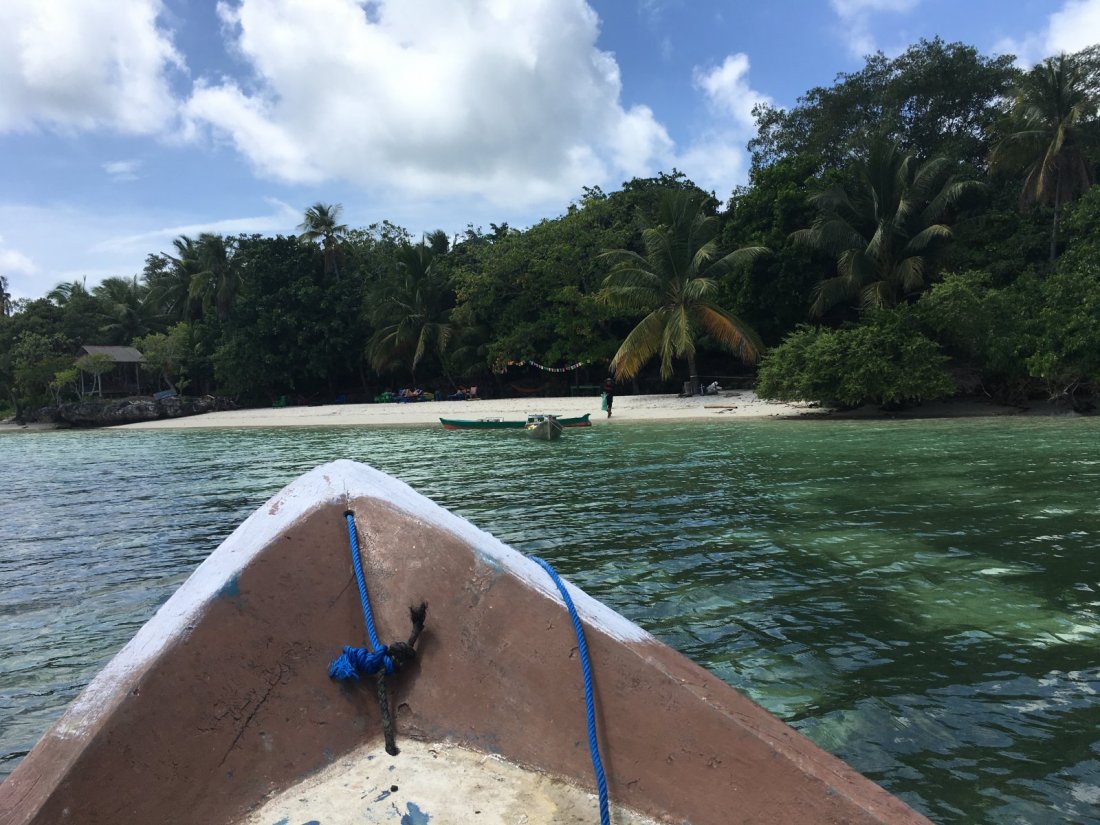
Approaching Hoga
354962_edc260bf980ecd3d0e4ca184ec057bea
Hoga resort had the essentials you need

354968_1d64ec7eb31305d5bcd0af2a24c764c5

354966_9dc02e5f562bdb44ebd73a04cbb0db92
Small monitor lizards hiding under the bungalow

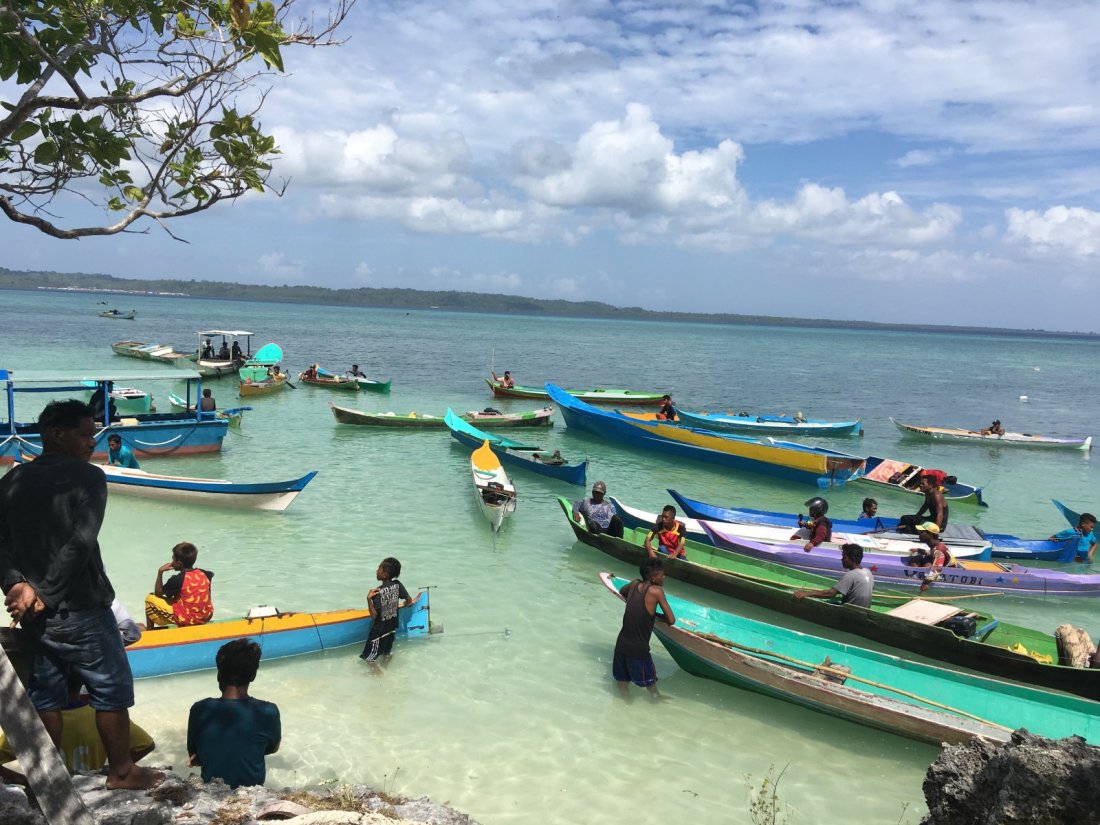
The people of the sea, called Bajau, arrived on the second morning for the Dutch lady’s birthday. They barely set a foot in the land, but instead did some boat racing to honour their beloved benefactor. G. had recently made them a football pitch in their village on stilts and was constantly helping them with their troubles. They are literally her children. G. herself when younger had sailed these waters, fell in love with the sea gypsies and the beauty of the place and when she later received a heritage she decided to come back and build this business. Even the local dignitaries were here today. Of course, running a business as a foreigner in Indonesia is not made easy by the Indonesian law, and G. had a few interesting stories to say on her relationship with the authorities.

355133_3a20ae1ce1f11020561106341b5a337a
Gathering for the Bajau boat race
355148_20fc73f9114d17a4448f9fae8c778097
Celebrating with the local dignitaries

In this occasion I met a Bajau looking around 20 years old, though it was hard to be sure. He spoke some English, but remained distant. I asked him what he was doing, he thought for a while, and glancing at his friends, said, “spear fishing”. Then I asked him what music he liked and again after looking at his friends, he said laughing, “Suka Musik Jawa” (not sure if that was a type of music or just said “I like the music of Java”). I noted down his name, S.

The second Bajau I met was D.. About 20, he had just received the diploma of diving instructor. Seemed strange because the Bajau are traditionally free divers, but an excellent job opportunity nevertheless. He was my faithful diving partner. We never exchanged a single word, but his sweet smile and respect made him the ideal companion.

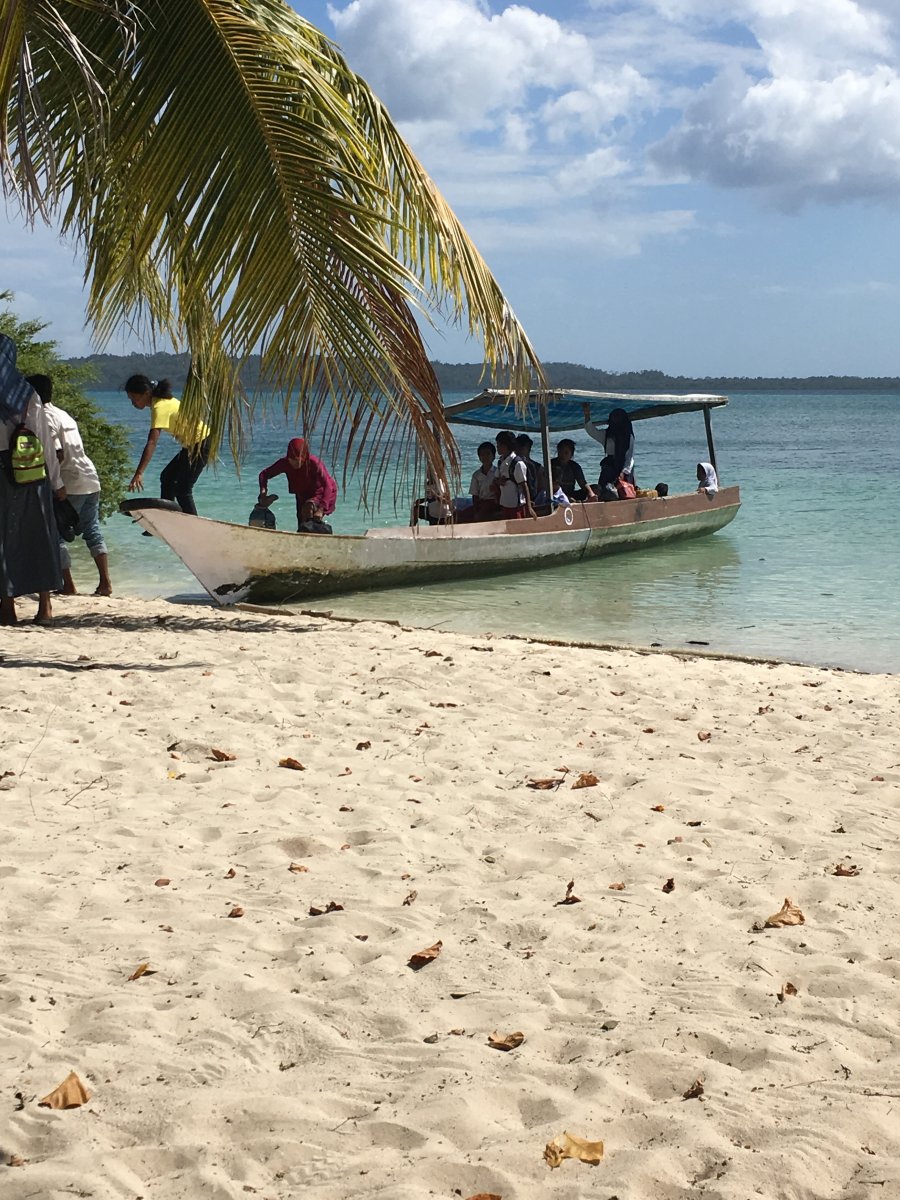
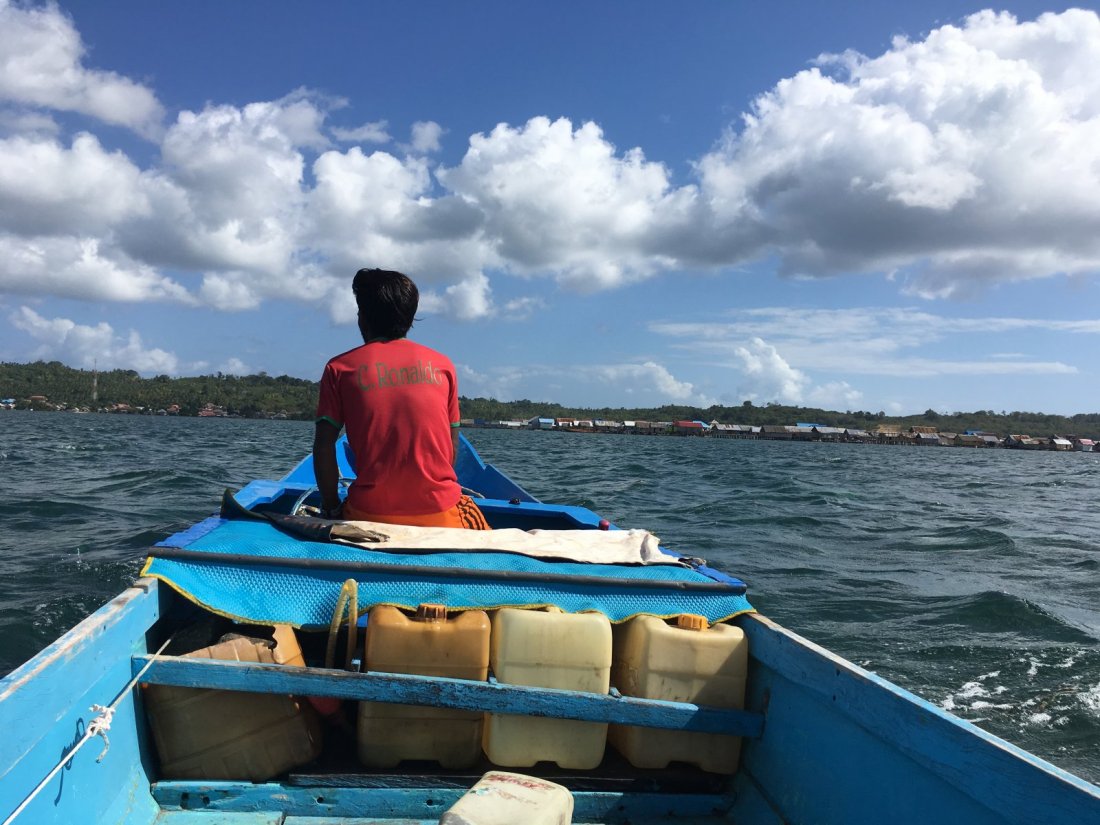
I met some wonderful tourists in Hoga, visited the only village of the tiny island, consisting of a dozen wooden huts and children playing with the mud, discovered the haunted buildings of an abandoned NGO, listened to the strange sounds of the jungle. Then, I decided it was time to break the spell that holds me in this island, and I got G. to arrange for a Bajau to pick me up. Shortly after the morning boat with pupils from the island left for the Bajau village, where there is a school, I also jumped on the boat of my new Bajau hosts

355334_741bb36f373ca93e674fba6ea0ef95dc
The school boat taking children of Hoga to the Bajau village school

355335_1efbb8fecd8d9c506d5d56fc3131739a

355479_2f4213ff841b469a7259fcd080da5b90
Approaching the village in the middle of the sea

Three days in Bali

349545_2829e029117319feb5dee8daf6479277
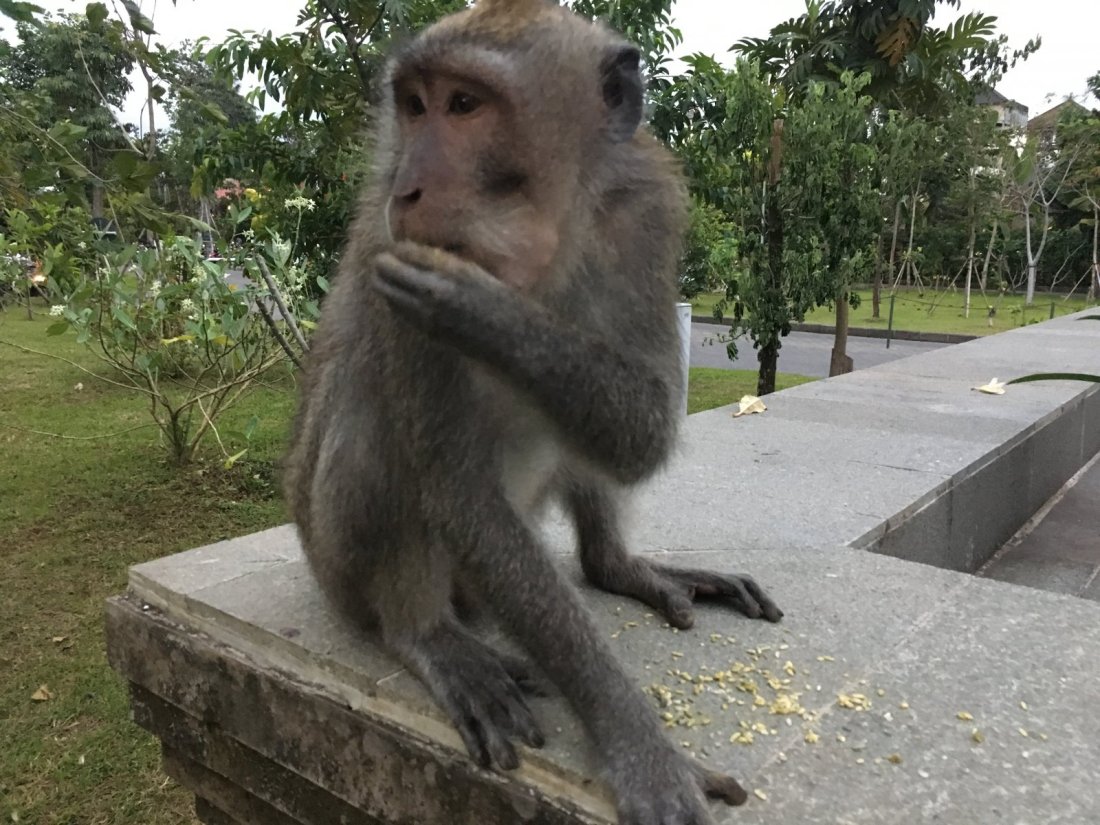
Monkeys are the world’s experts in opening candy wrappers.

Gilimanuk harbor was my entrance to Bali. Monkeys were mooching at the edge of a forest as we rode to Pemuteran, suggested by Lonely Planet as a good place to spend a night in the North. Indeed it is much calmer than the South and apparently good for diving.

That night there was a full moon – “Poornachandr” – and Balinese Hindus pay attention to such things. Actually, it was more than a full moon. The date was July 27th 2018, time of the longest lunar eclipse of the century. Five minutes after exiting the hotel, I was sitting in the lotus position in front of a small family sanctuary. Relatives were praying around and the family leader was explaining to me the beneficial properties of meditation for treating stomach ache. He went on to suggest swimming as the cure to anxiety and almost everything else and, encouraged by my receptiveness, he invited me to his home and to show me around the next day. At the end of the ritual they applied rice on my forehead. Good for my chakras, I guess?!

Mosquitoes did me a favour by waking me up in time for the eclipse and at 4 am the chanting began…

349406_62ce06c9a2a2cc44cf8e78a6b7f639d9
Lunar eclipse and Mars.

Next morning, I arrived with a taxi in Singaraja, the first town of considerable size, whose name means “Lion King”. Then, a change to bemo (small van where you have to bend forward in order to fit and the doors remains open, good fun) to get to the correct station. From there a small shuttle bus to Denpasar which is the capital in the South. The fresh air of Bali’s central mountain range was welcome. It was Saturday and schoolchildren were marching on the streets, as they normally do in Indonesia. “Baris Berbaris”, literally a line lined up (Indonesians love reduplication).

The `Bali museum’ in Denspasar is worth visiting for a fast track introduction into the Balinese culture, and impressive as a building itself. From there I took a motorcycle taxi to Ubud, passing though the very dense traffic that converges to the super-developed cultural capital of Bali.

349541_fec55e274d8d9e82bba489ab69eb3f73
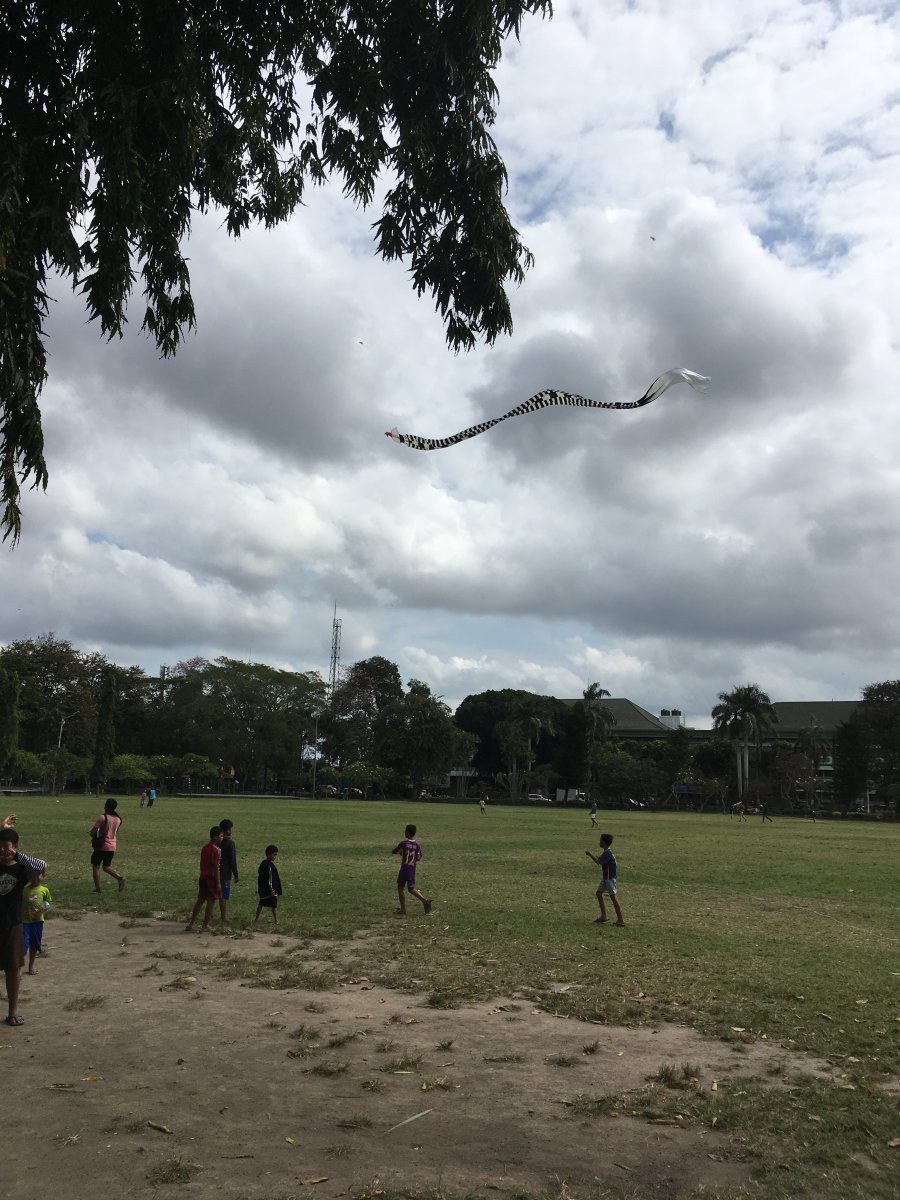
Flying a “layang-layang” (kite)
349529_83a9adc99b4a05289724304888d72ab1
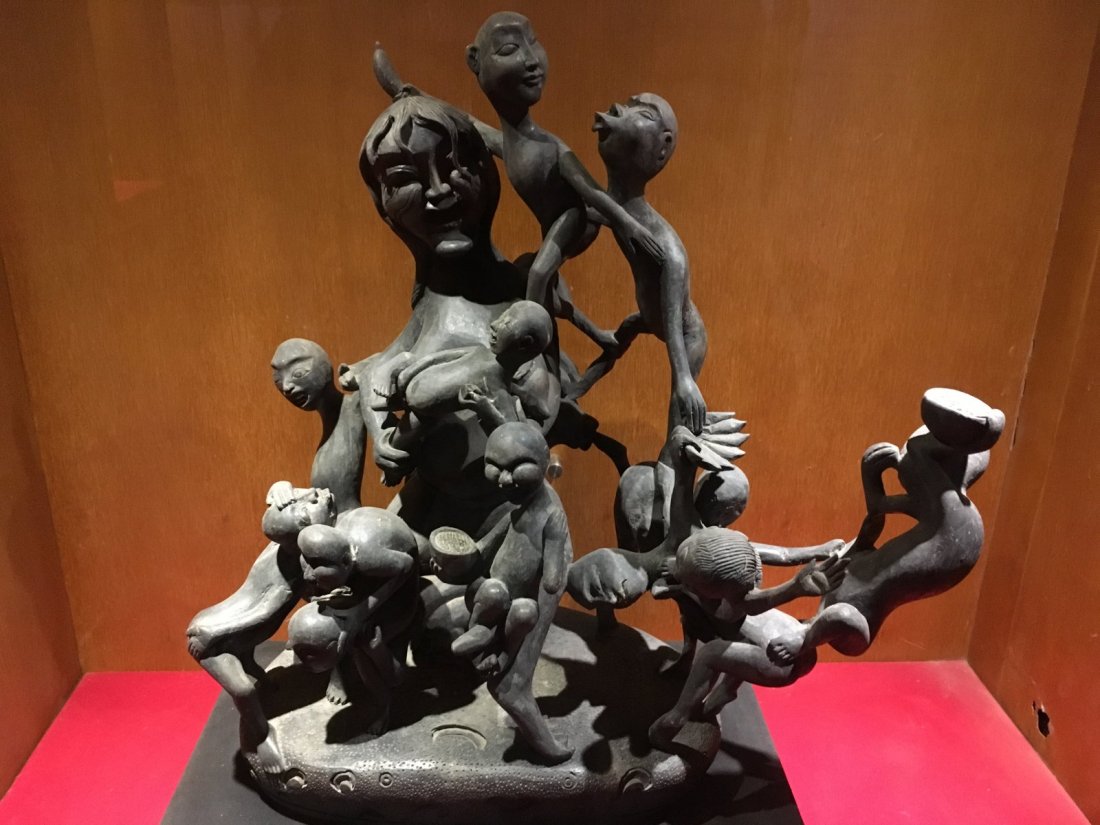
A good sized family in Bali Museum
349534_fb7d0f1cf72e01c76c6639d0f7febd3c
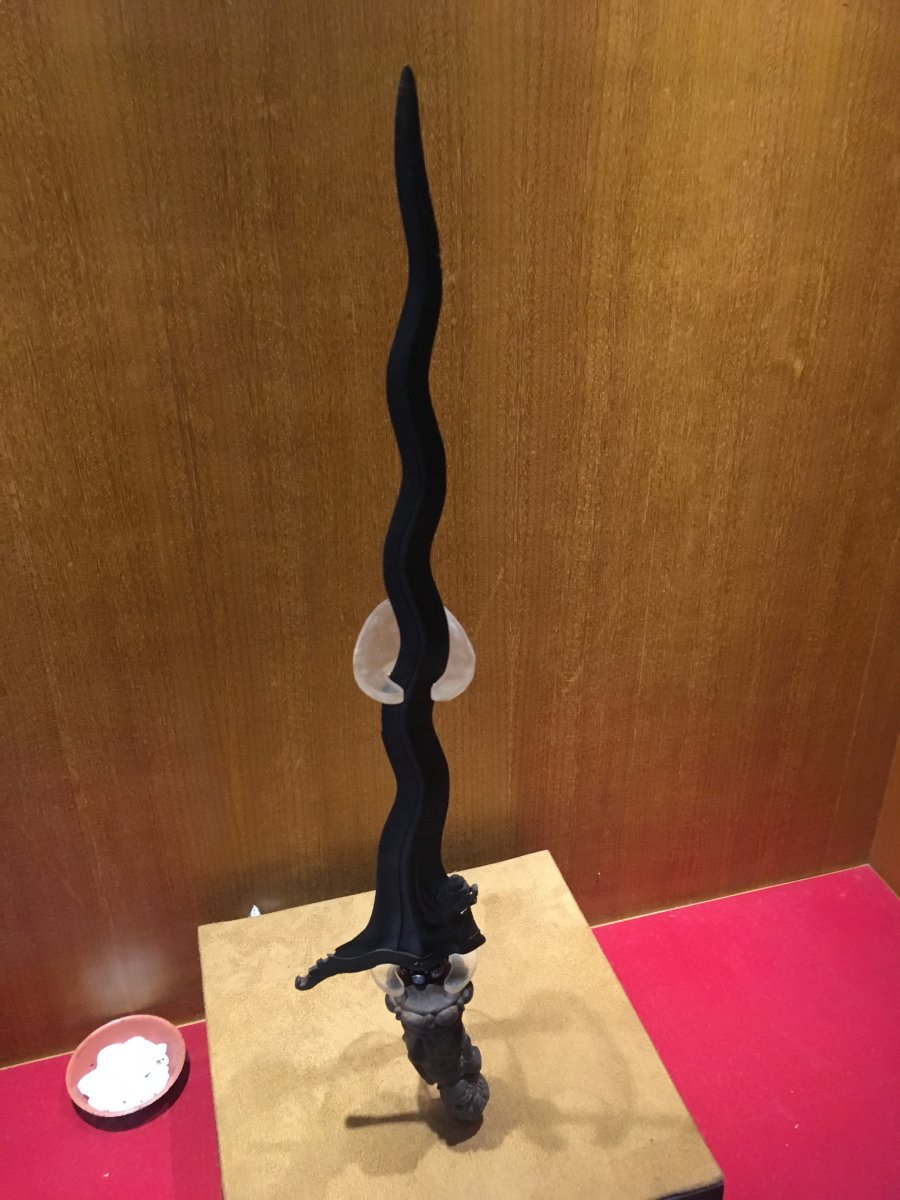
A Balinese sacrificial dagger – “Kris”
349542_0acdcf8d5f7881a16b160e0607fab36f
In an Ubud hostel

Third morning, exiting my hostel room, I hear the following not so typical dialogue: “Did you feel the earthquake this morning?” “Seriously? I thought you were masturbating in the bed above. ” I open the news and read: 6.4 Richter in Lombok’s Rinjani Volcano, casualties and hundreds of climbers trapped from landslides. But I haven’t felt it at all and there was no second thought of amending the route. I purposed to an Englishman, W., to rent a motorbike to explore the island. With 75,000 rupees, we got in record time the keys to a 125cc Honda, helmets and the blessings of the lady in the kiosk just outside.

Having W. as the navigator through the complex road network we reached the gates of Luhur Batukaru temple at the altitude of 1300 meters, in midst of the misty tropical forest.

Next we stopped in a buffet restaurant over UNESCO protected Jatiluwih rice terraces (we had to pay a toll), were W. told me about his goal of sailing around the world non-stop, a bold endeavour that few have achieved. Then, I decided to visit a small tea plantation and hotel nearby – it seemed unique in a coffee growing island. And soon we ended talking to a person whose ambition was even bigger than W.’s.

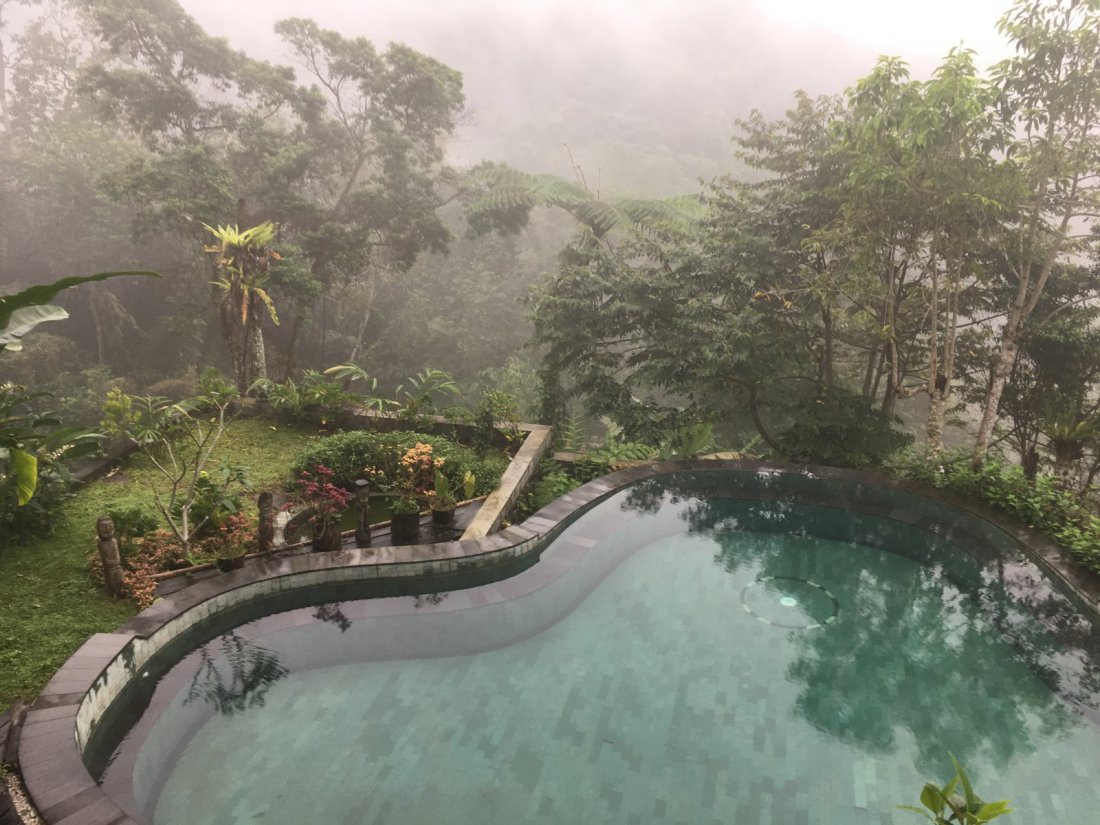
E., the owner, was somewhat surprised, but invited us without hesitation in his comfortable palace on a slope overlooking a pool and lush forest. Javan in origin, he protested when sent to become a sailor, not wanting a boss over his head. So, he started with a ticket for Bali and 15,000 rupees in his pocket, at some point in the early 70’s. Working here and there, he found that tourists, who had begun arriving in Bali, were buying jean jackets and so he started selling them. The jeans became leather which he brought from Java, and so gradually he managed to build a business based on leather. And at the same time, he opened a nightclub, the first surfing company in Bali, which he sold to Rip Curl, and expedition company, a health centre etc.. ‘Capital is fair,’ he told us, showing us his collection of dried tea. ‘You just need motivation and ideas’. At some point in the 1990s, his mother called him: “You a Muslim man making money from selling alcohol in parties?”. E. reflected on this, and decided to buy this land on a mountain that no one wanted, and to build his small garden of Eden. Now he enjoys his new ‘toy’, the first tea plantation in Bali, with his second wife and daughter who has an English boyfriend, and prays 5 times a day on his balcony over the clouds.


350573_905d4d2568e4b18526610ac624a96d19

349547_2217be74988dfdd3181382f144ee5e64
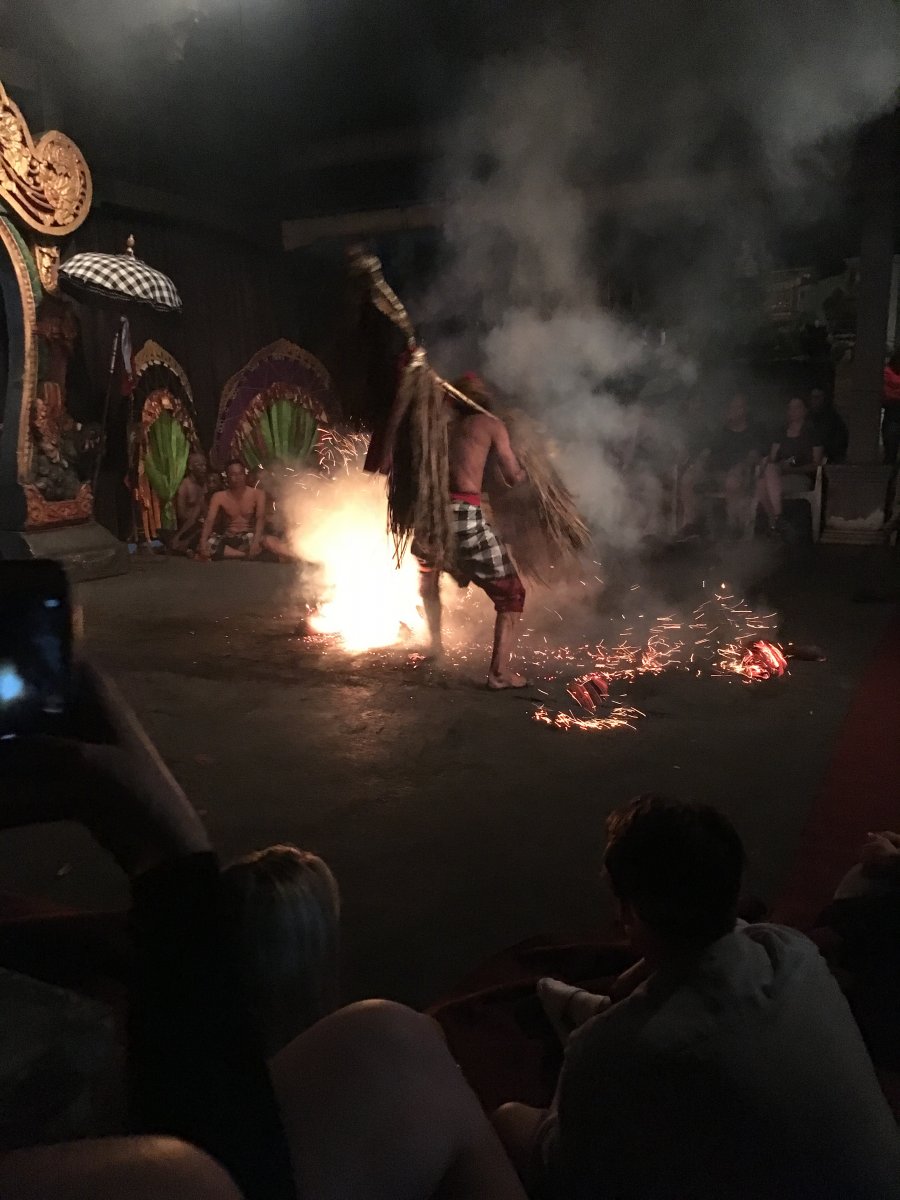
Back in Ubud for a Balinese fire & trance dance