
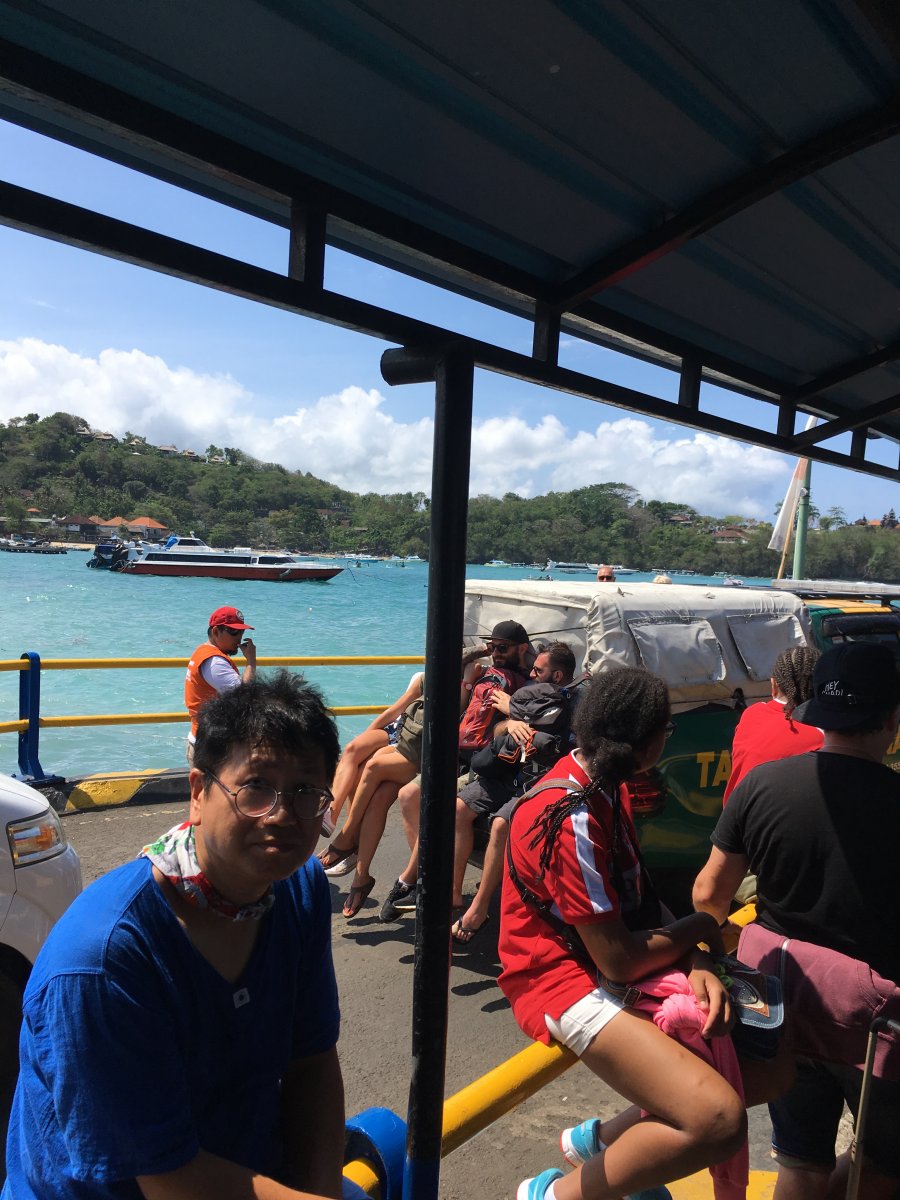
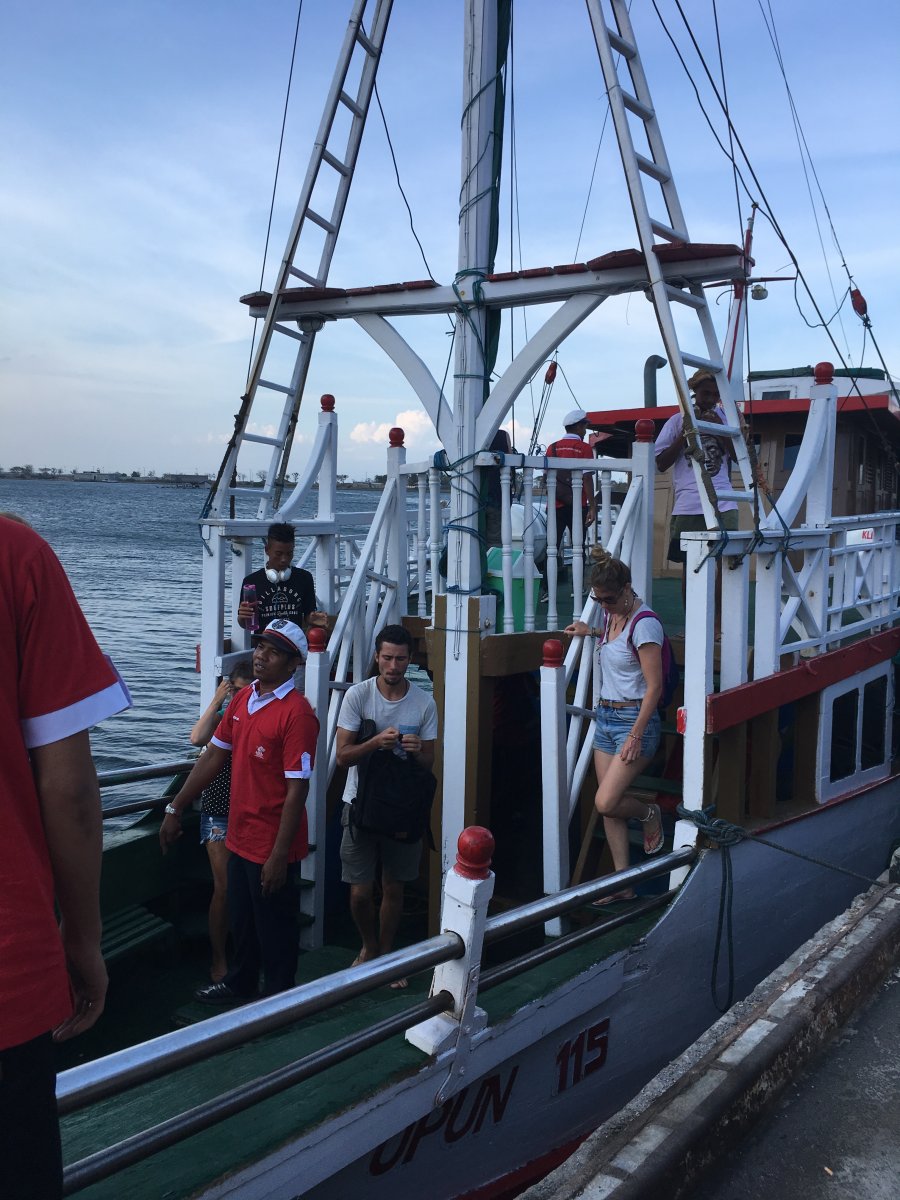
When I embarked at 1:30pm, as the last person, in Rhama Giri Nusa, an old tub made in 1989, I was grateful for my good luck.
From 8:30am, we, a flock of tourists packed like sardines, were queuing for a boat to Lombok. Boats were loading and leaving, some were leaving empty causing collective protests. Happier were the street vendors selling overpriced snacks and beers to desperate tourists. One asked me if I want Bintang beer 10 or more times until we got to the point of laughing with each other. A family of upset Germans left in a rush leaving their baby’s diaper on the street. Americans were fighting with their guides and a family of Hungarians, a small drunk mob, were skillfully skipping places in the queue, mum leading the way.
I had bad dreams. I was trying to escape, but I couldn’t and I was trapped in a village with head hunters. I only remember that I woke up with a clogged nose a small headache. In Lombok, like in Bali, locals believe in spirits and magical medicine, they call “Jamu”, that heals the soul. The weather was cool and hopping on my motorbike I was hoping that the curse was temporary and would not affect the rest of the trip – or that I would accidentally find my “Jamu”.
Lombok has historically gone through Hinduism to a form of Islam with Hindu elements, and more recently to orthodox Islam, but Hindu religion survived in several villages. Arriving in the capital, Mataram, I saw a huge, newly built mosque, with, I learned, the help of Saudi Arabia. It seems they are trying to disturb the delicate religious balance.
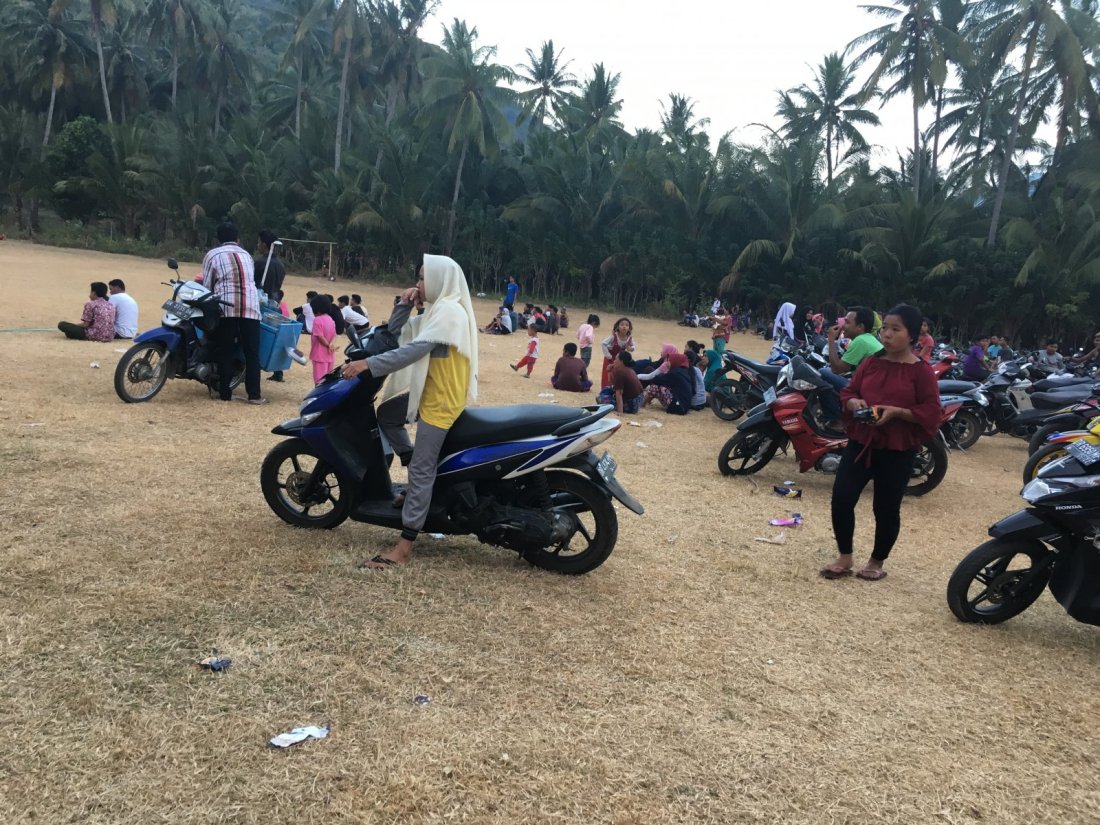
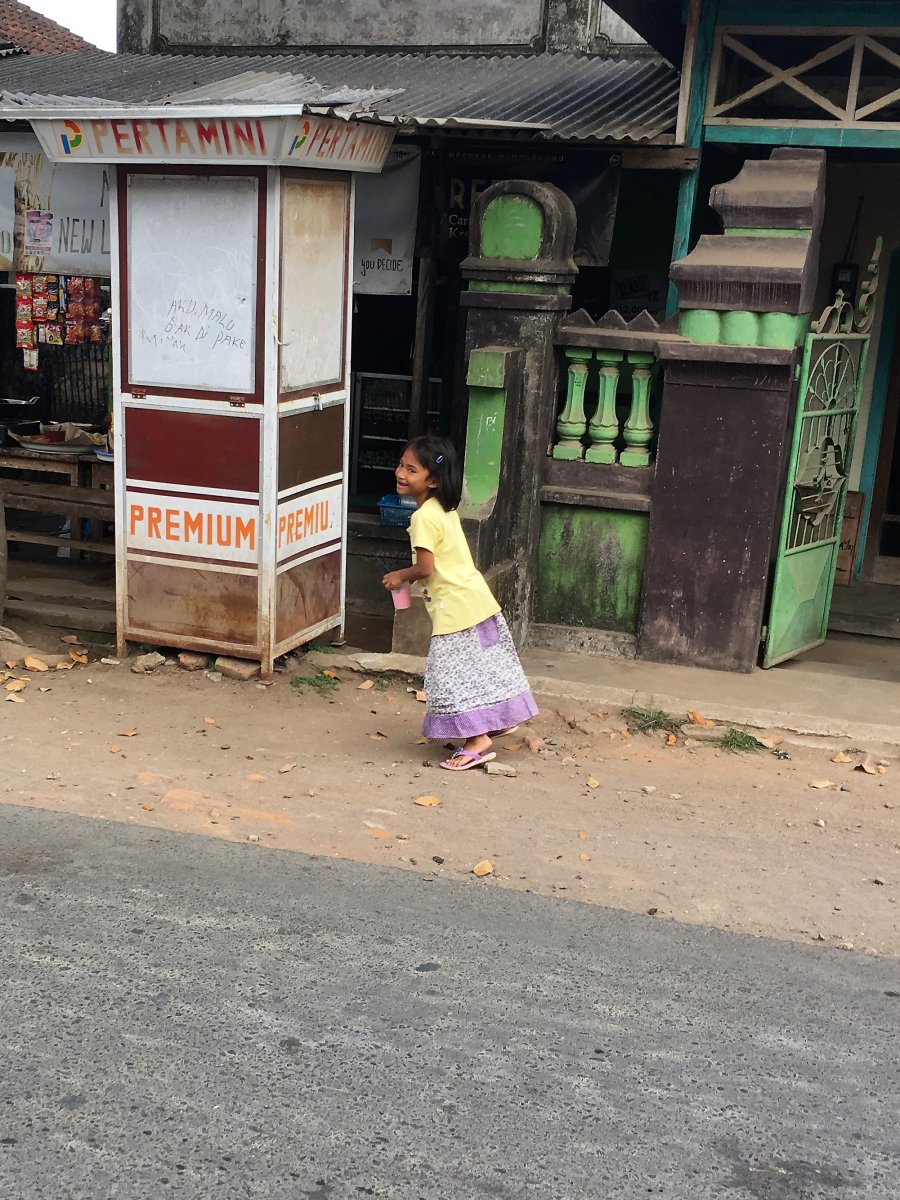
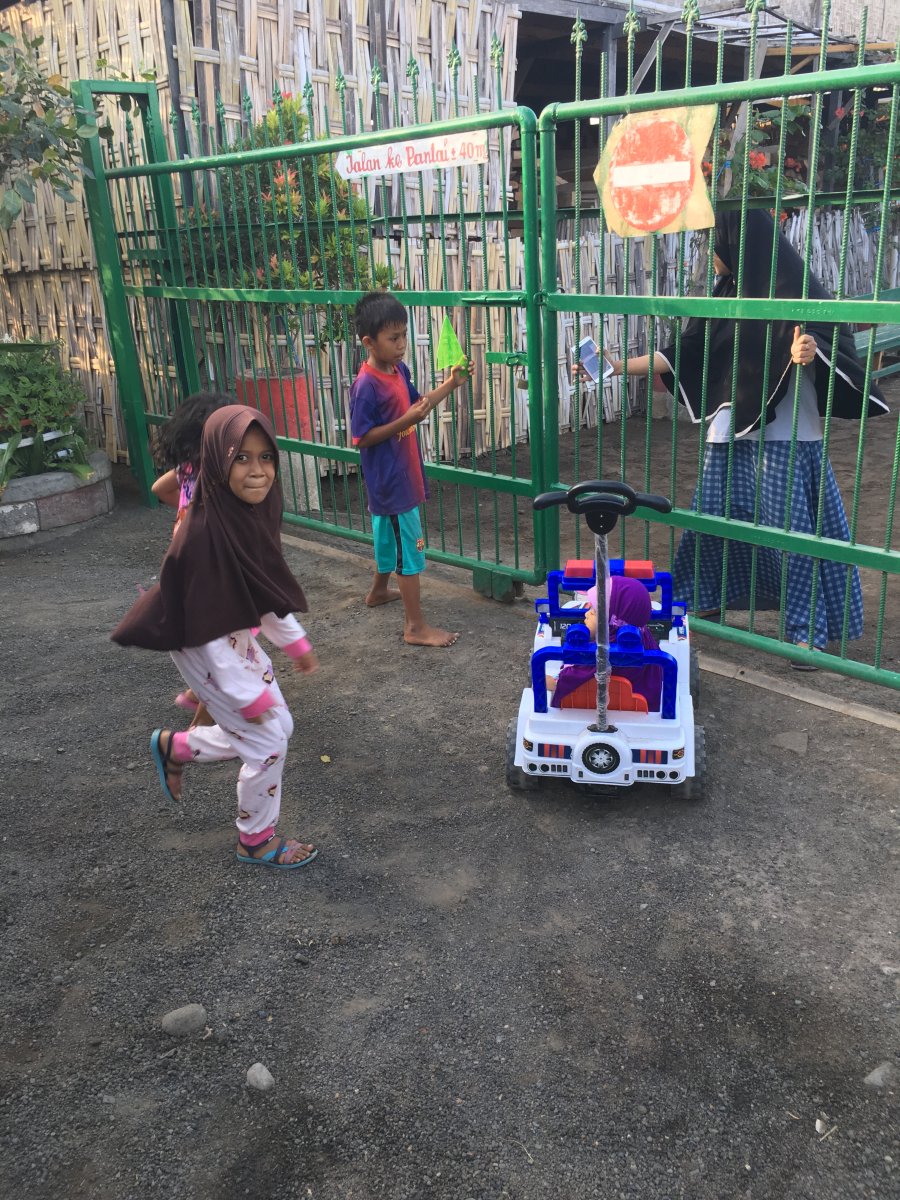
I begin to climb the southern foothills of the mountain passing through a series of villages of traditional rice growers. Poor tiny villages where life is in full swing: schools, marches, football in the dust. Small improvised parties behind a moving truck with loudspeakers. Men and women working in the field: the woman head-carrying wood though the narrow paths between the flooded fields and the man finishes the job with the motorbike through the puddly road. Later in the day, pupils walking home stop and give carefree smiles and friendly shouts “Hello Mister”, making me feel already much better. I was left contemplating how people can be so happy with so little, and if we are the ones in need of “Jamu” instead of them.


Next day I was ready to embark on the wooden boat, called pinisi, to sail around the next island, Sumbawa, in order to reach the famous Komondo island. I chose a well known company, Perama, which first organized a tour for us, stopping at various places in Lombok including Mr. Perama’s garden. Mr. Perama has built his pinisi “empire” over the last 50 years and is now trying to teach the locals entrepreneurship. Our guide Tommi’s music selections on the bus were brilliant and at the end of the day we had a small party at the shipyard, getting ready to step into the unknown.
 TK Travels