
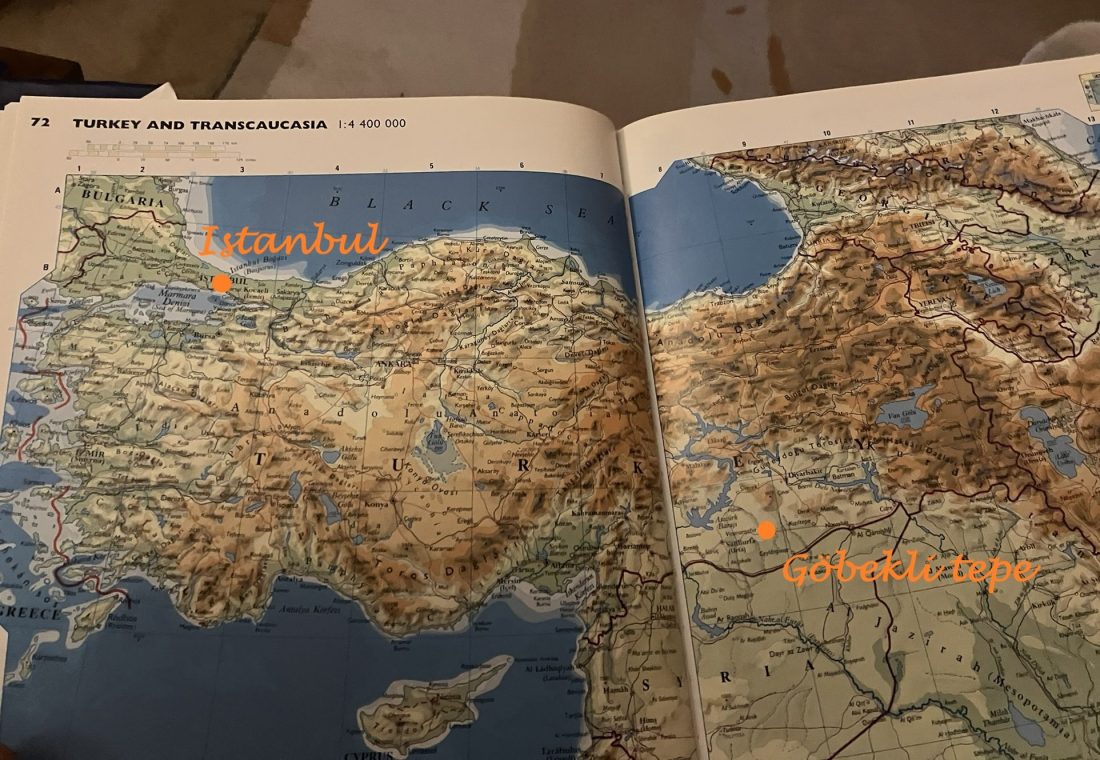
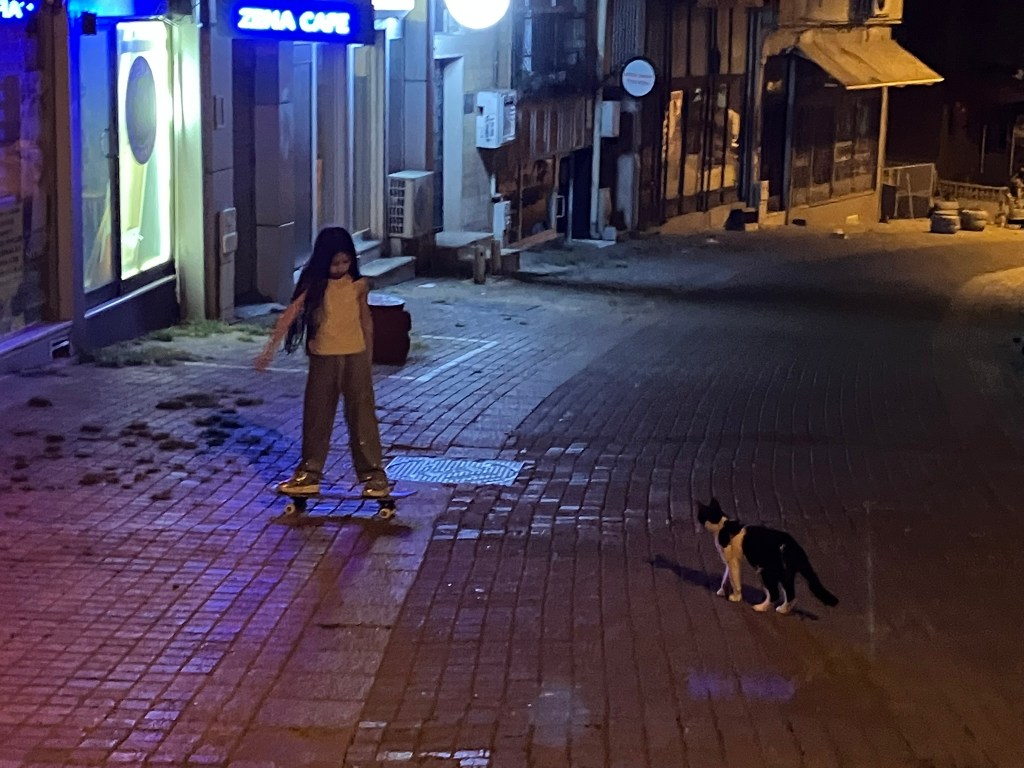
I arrived at the kebab shop tired and hungry and looking for some comfort in juicy minced lamb with bulgur and salad and some quiet. The open-sided shop on a side street of Kadıköy in early autumn, meters away from my hostel destination, was staffed by a softly spoken and accommodating man. After bringing my food, he went to feed his cat on the pavement, with the same attentiveness. Not with kebab, but with a sachet of cat food.
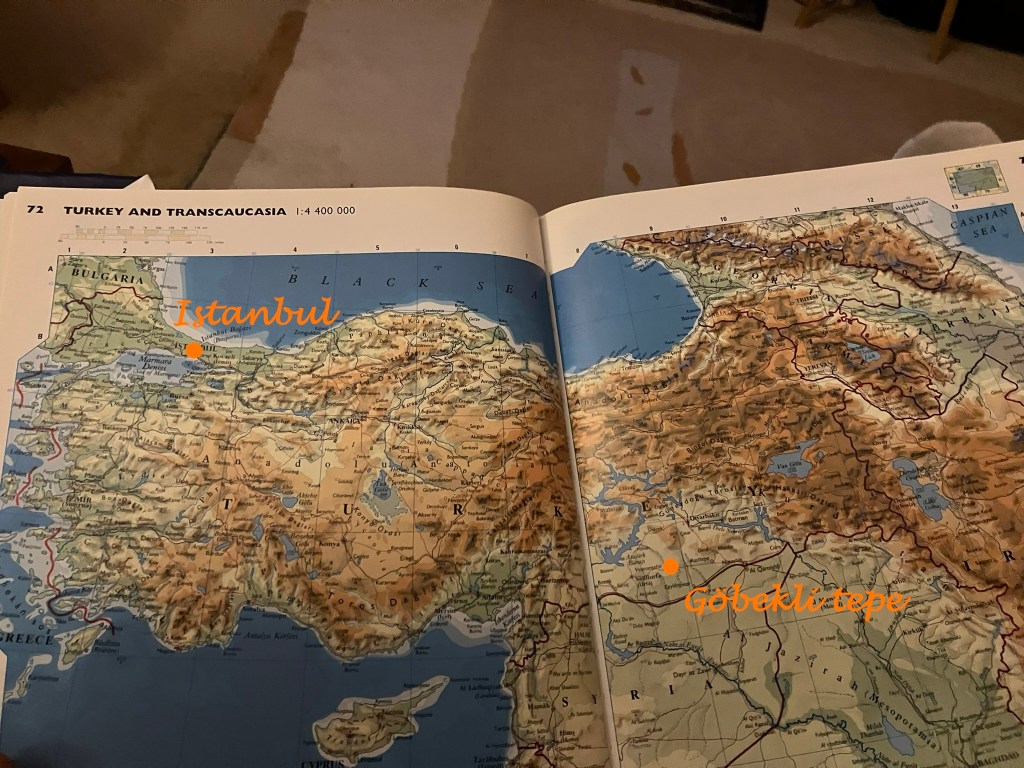
Starting from Istanbul, and its bohemian Asian neighbourhood Kadıköy, the final destination of this 10 day trip was Göbekli Tepe.
If you haven’t heard of Göbekli Tepe, it is an archaeological site in SE Turkey, 40km from the border to Syria, and, as I understand it, a big surprise for modern archaeology. On a hill, called Potbelly (“Göbekli” in Turkish) hill, believed by an earlier American expedition to host a Byzantine-era graveyard, German archaeologist Klaus Schmidt discovered in 1994 a temple complex dated from 9600 BCE! That is 7000 years before the pyramid of Khufu – nevermind Stonehenge. What it contained inside, 5.5 meter-tall stone slabs carved with animal relieves comparable to Byzantine art, seriously challenged understanding about how (and where) human civilisation begun. Since I read about it, in a National Geographic magazine from 2011, I was itching to visit that place.
In my hostel room, stuffy and with walls covered in mould I was trying to manage my expectations.
I am a Greek man, aiming to traverse Turkey, from Istanbul to the deep southeast, counting on local transport, willingness to help from the locals, and with my own lack of knowledge about it. Which is a bit strange. This is the neighbouring country to the one I grew up in, but our education rarely reached beyond the history of wars and suppression of the Greeks. I was raised with the stereotype of Turks as hot-tempered, religious zealots who you should never trust, (“Hold a club when you speak to a Turk”, a Greek proverb) and minorities in the deep east of dubious disposition. In contrast, my own adult experience has been of very hospitable hosts, friendly, cat-lovers, in my previous travels in the Aegean coast and Istanbul. But some things somehow linger subconsciously.
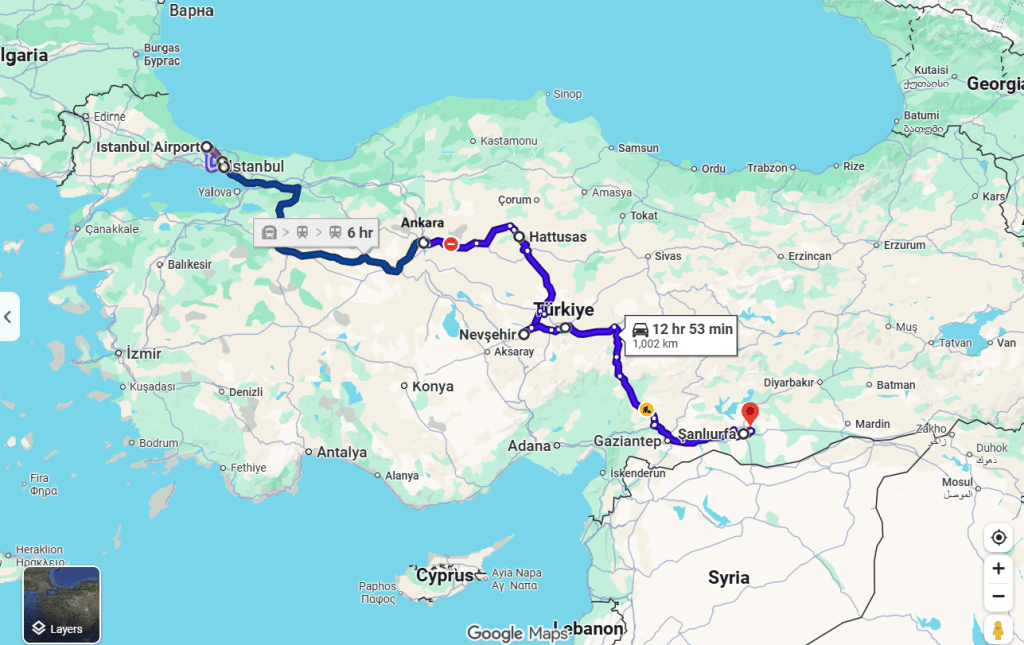
At the same time I was excited. Looking forward to another day in magical Istanbul. Moving to the East: Ottoman architecture and Islamic art, like mosques and caravansaries, food and deserts (especially künefe!), different peoples like the Kurds, landscapes I can barely imagine, like the Anatolian plateau and Cappadocian fairy ‘chimneys’. Lots of interesting Bronze age archaeology, contemporary to the Myceneans, like Gordion and Hatussa. Using train, bus, car and whatever I discover along the way. And to stay safe. Vamos!

