On the road to Göbekli Tepe

I arrived at the kebab shop tired and hungry and looking for some comfort in juicy minced lamb with bulgur and salad and some quiet. The open-sided shop on a side street of Kadıköy in early autumn, meters away from my hostel destination, was staffed by a softly spoken and accommodating man. After bringing my food, he went to feed his cat on the pavement, with the same attentiveness. Not with kebab, but with a sachet of cat food.

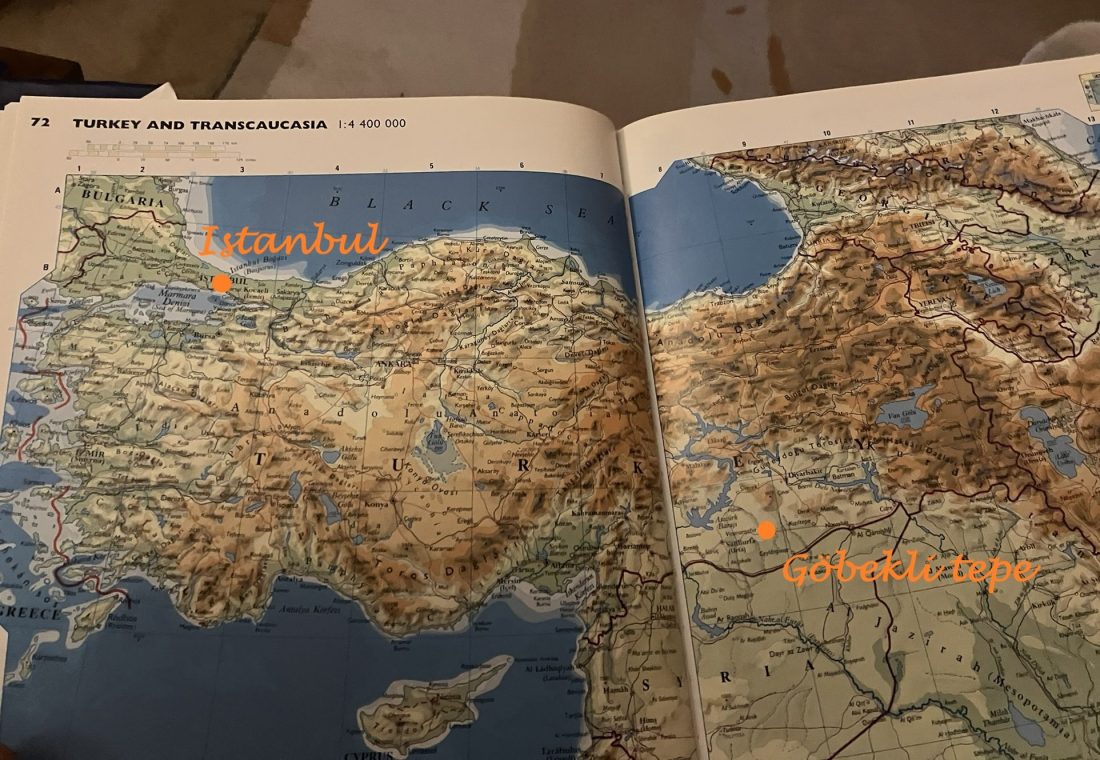
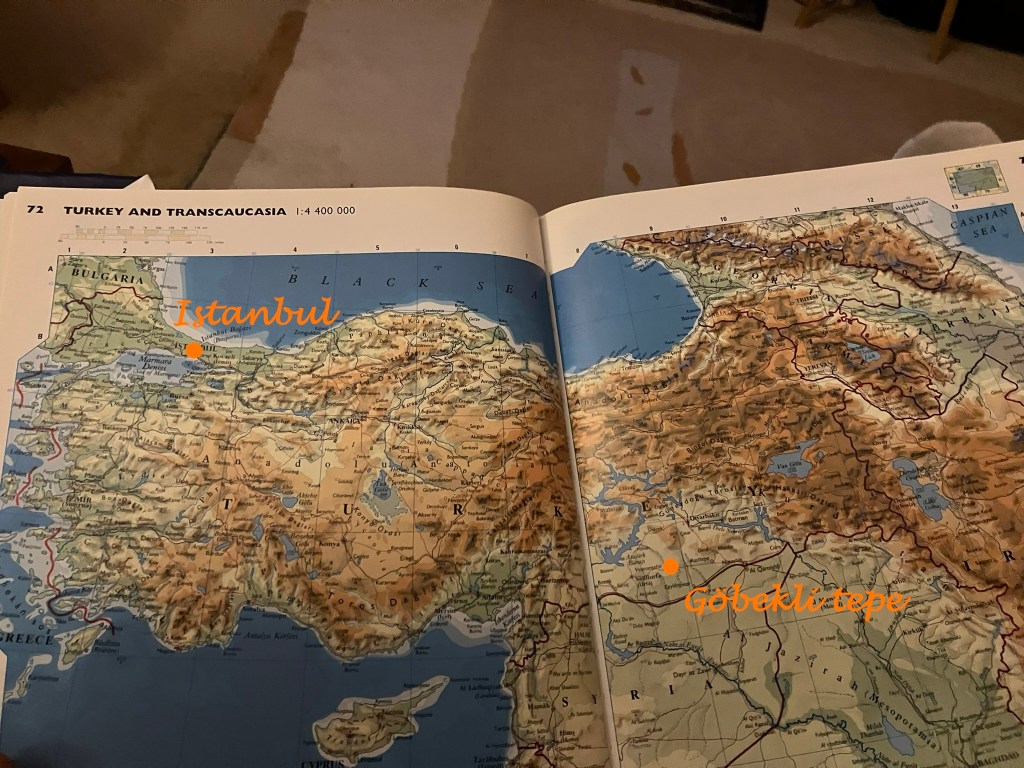
Starting from Istanbul, and its bohemian Asian neighbourhood Kadıköy, the final destination of this 10 day trip was Göbekli Tepe.

If you haven’t heard of Göbekli Tepe, it is an archaeological site in SE Turkey, 40km from the border to Syria, and, as I understand it, a big surprise for modern archaeology. On a hill, called Potbelly (“Göbekli” in Turkish) hill, believed by an earlier American expedition to host a Byzantine-era graveyard, German archaeologist Klaus Schmidt discovered in 1994 a temple complex dated from 9600 BCE! That is 7000 years before the pyramid of Khufu – nevermind Stonehenge. What it contained inside, 5.5 meter-tall stone slabs carved with animal relieves comparable to Byzantine art, seriously challenged understanding about how (and where) human civilisation begun. Since I read about it, in a National Geographic magazine from 2011, I was itching to visit that place.
In my hostel room, stuffy and with walls covered in mould I was trying to manage my expectations.

I am a Greek man, aiming to traverse Turkey, from Istanbul to the deep southeast, counting on local transport, willingness to help from the locals, and with my own lack of knowledge about it. Which is a bit strange. This is the neighbouring country to the one I grew up in, but our education rarely reached beyond the history of wars and suppression of the Greeks. I was raised with the stereotype of Turks as hot-tempered, religious zealots who you should never trust, (“Hold a club when you speak to a Turk”, a Greek proverb) and minorities in the deep east of dubious disposition. In contrast, my own adult experience has been of very hospitable hosts, friendly, cat-lovers, in my previous travels in the Aegean coast and Istanbul. But some things somehow linger subconsciously.
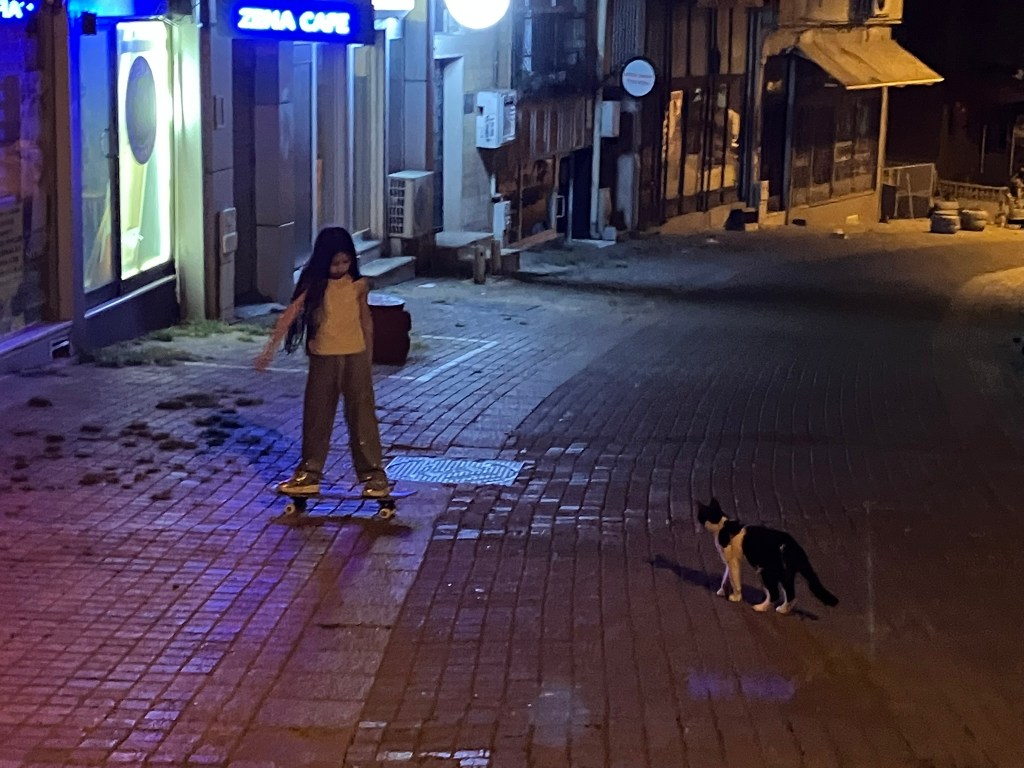
Outside the hostel
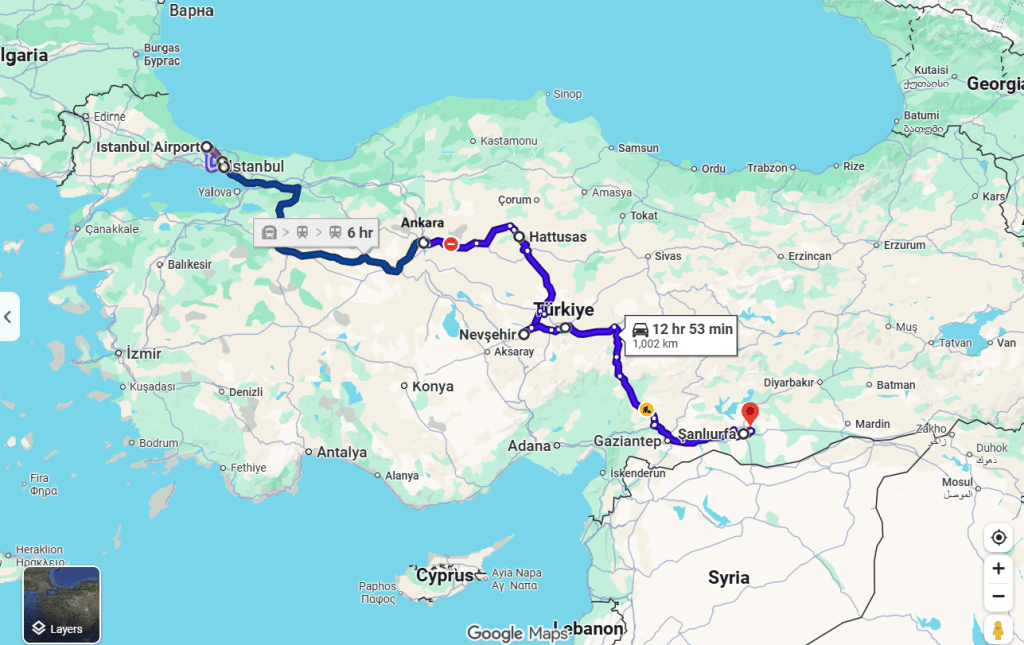
The planned itinerary

At the same time I was excited. Looking forward to another day in magical Istanbul. Moving to the East: Ottoman architecture and Islamic art, like mosques and caravansaries, food and deserts (especially künefe!), different peoples like the Kurds, landscapes I can barely imagine, like the Anatolian plateau and Cappadocian fairy ‘chimneys’. Lots of interesting Bronze age archaeology, contemporary to the Myceneans, like Gordion and Hatussa. Using train, bus, car and whatever I discover along the way. And to stay safe. Vamos!
A long weekend in Slovenia: The capital

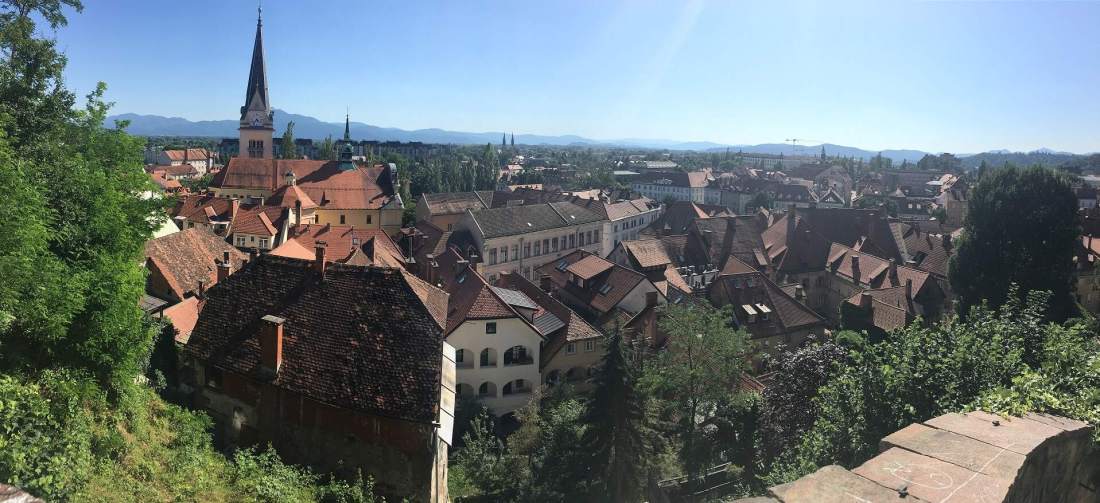
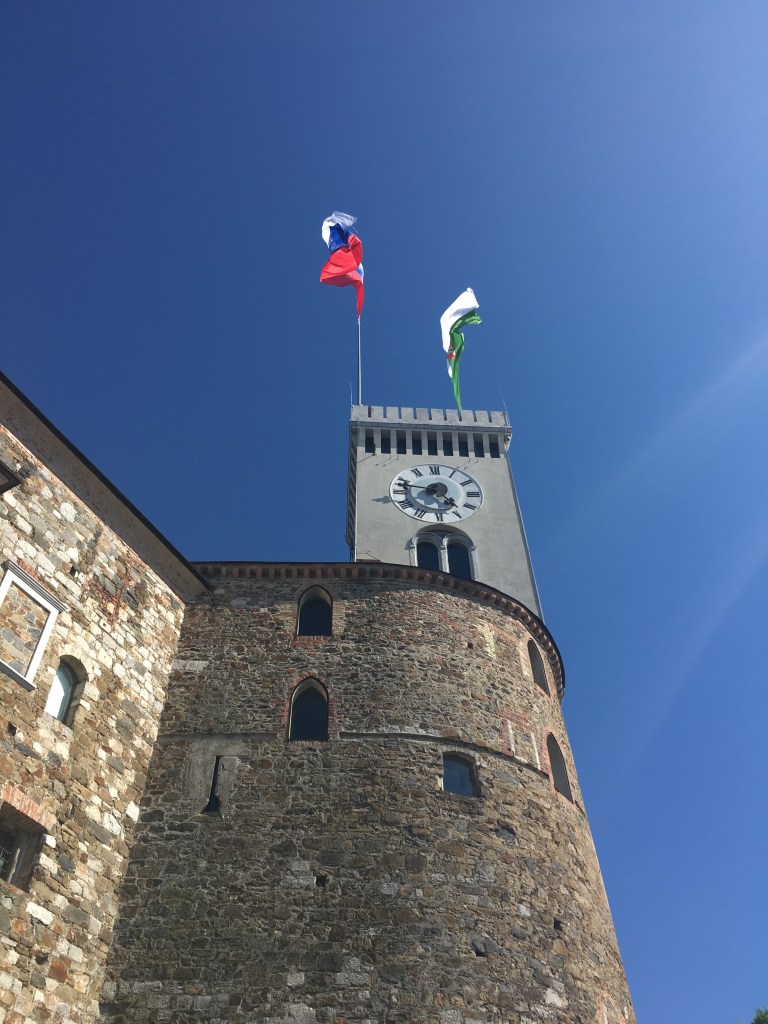
That evening we climbed Castle Hill in central Ljubljana. Below, the steep pitch of the roofs and the amount of trees between the buildings indicated that rainfall is very common. From the battlements we could see the wooded hills around the capital, including Rožnik hill, opposite, with its hiking paths offering a welcome break from the touristy centre. The castle itself has a long history, starting as an Illyrian fortification. Nowadays, it features a medieval stronghold with the flag of Ljubljana on top, which features the castle itself and a dragon.

IMG_6947

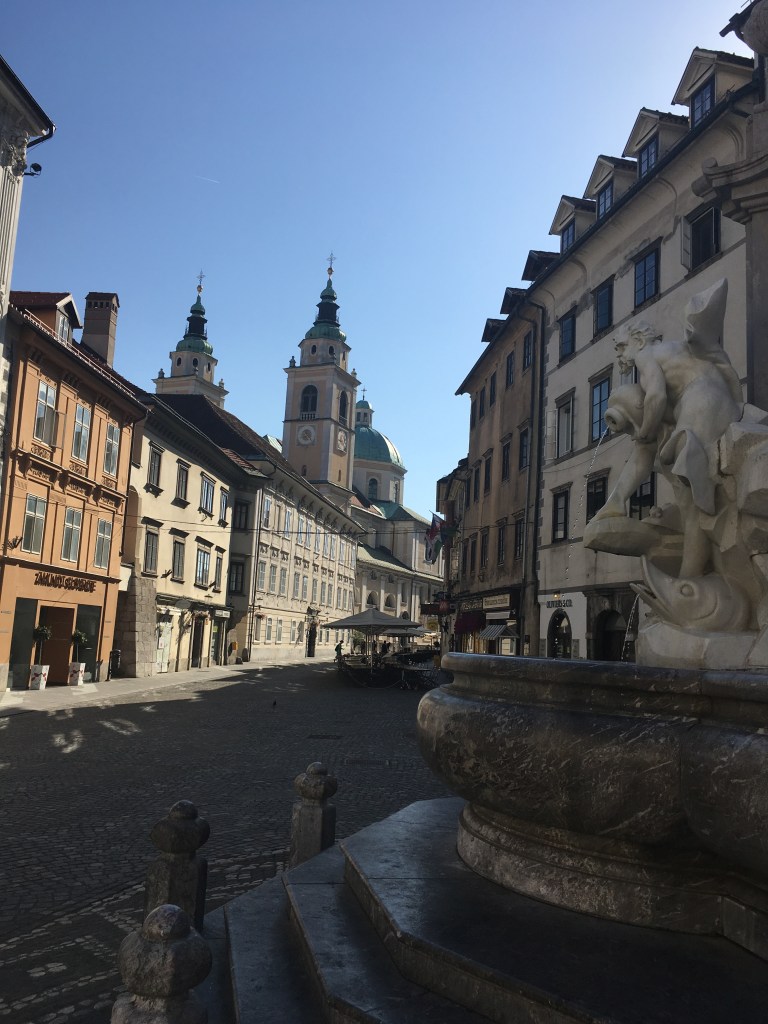
On Sunday morning, I walked to the city centre to take some pictures in my own time. It was early enough to beat most of the other tourists, while locals seemed to have taken time away, leaving their capital literally empty. Also, temperature hadn’t yet reached the high 30’s that one gets at midday. Perfect.

IMG_6990

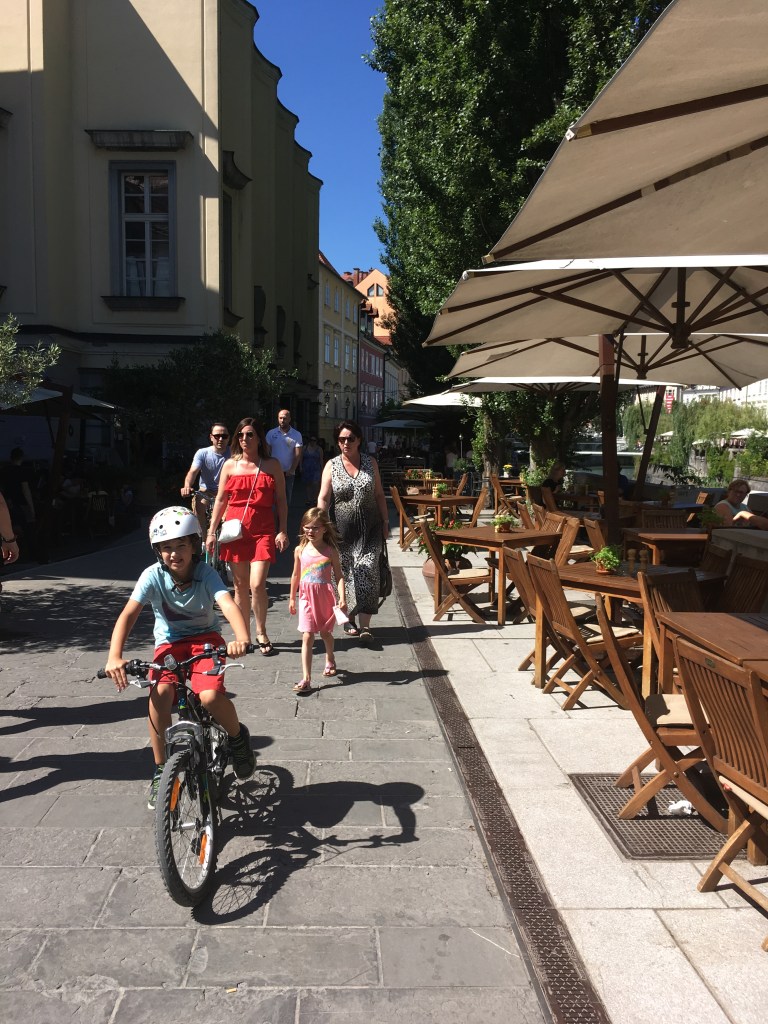
At some point between 8:30 and 9 am large groups of tourists were starting to spill out of their hotels. Cafeteria personnel were welcoming them and soon the centre became too busy.

IMG_7006
IMG_7016

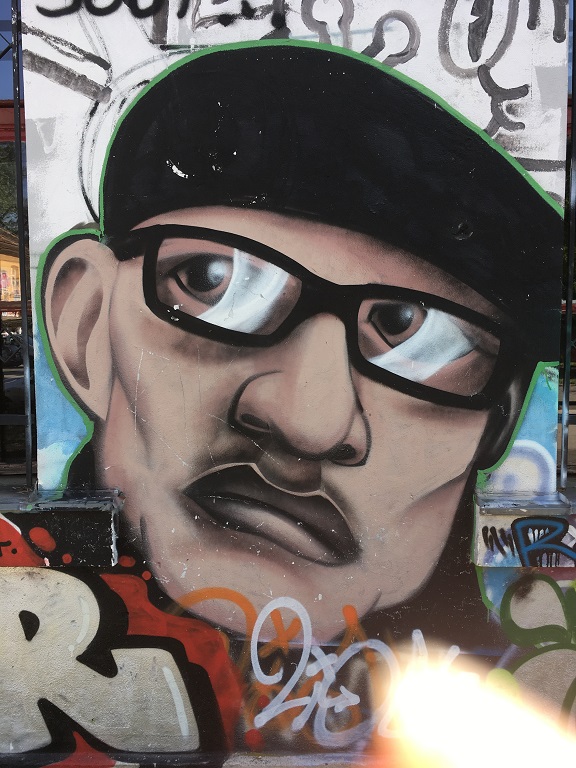
It was time to move out towards the ‘alternative’ Metelkova neighbourhood. There, I encountered a museum complex and people in reclining chairs on the grass, drinking coffee or eating breakfast, waiting for it to open. I strolled around the area which looks like a big squat. Colourful characters were quietly sitting in front of the colourful building fronts and nosy passers-by like me, often on roller blades or scooters, were photographing the rich graffiti art.

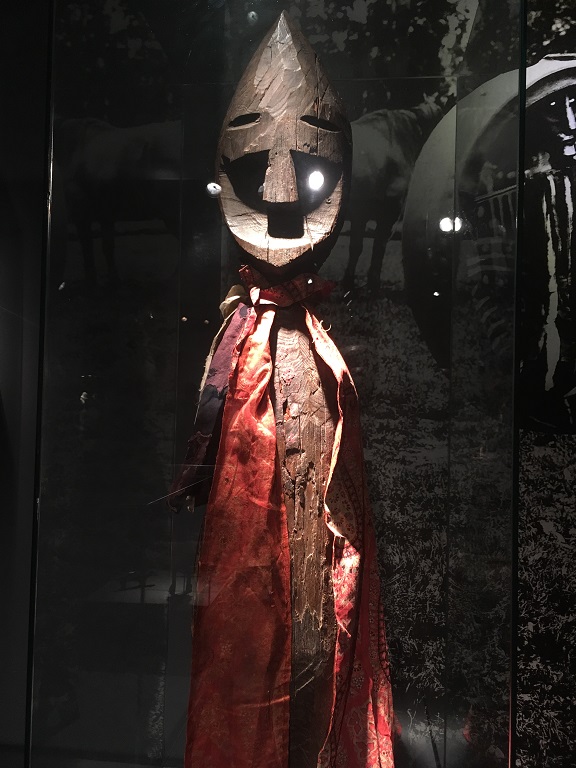
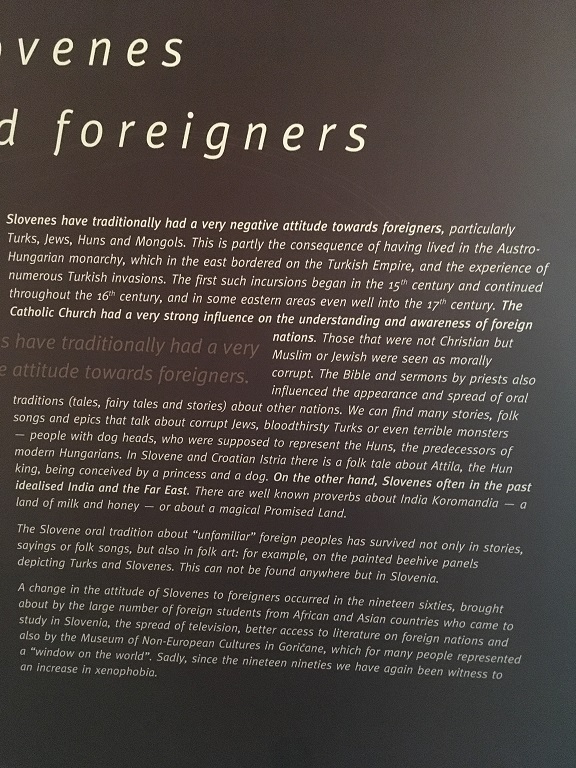
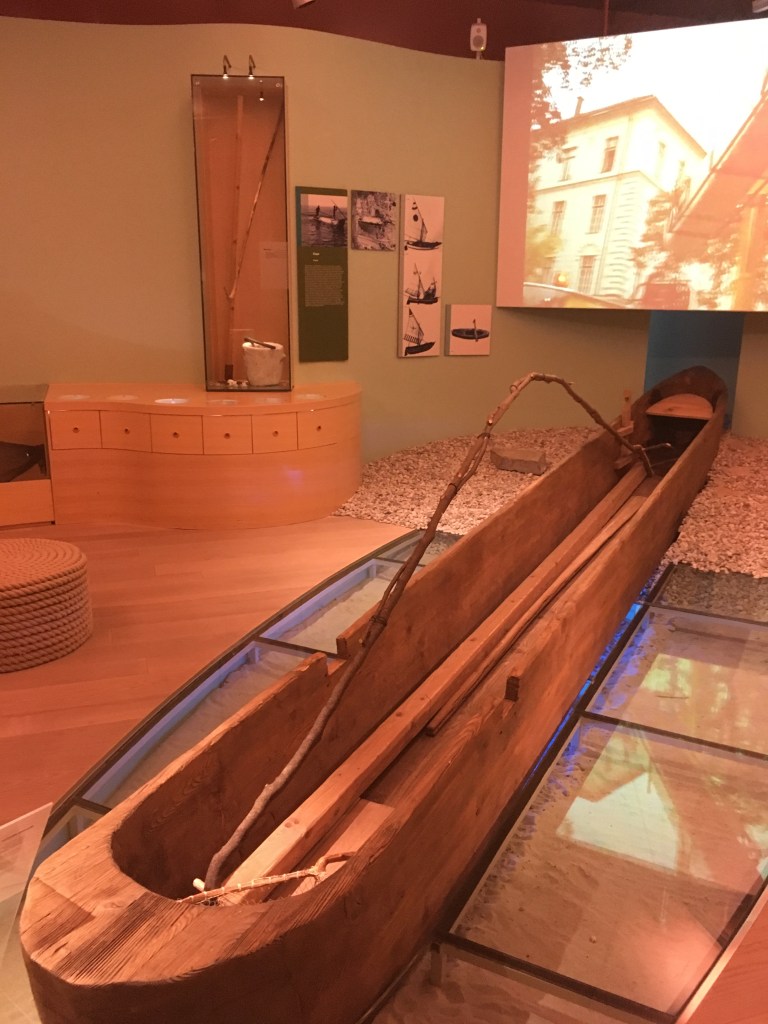
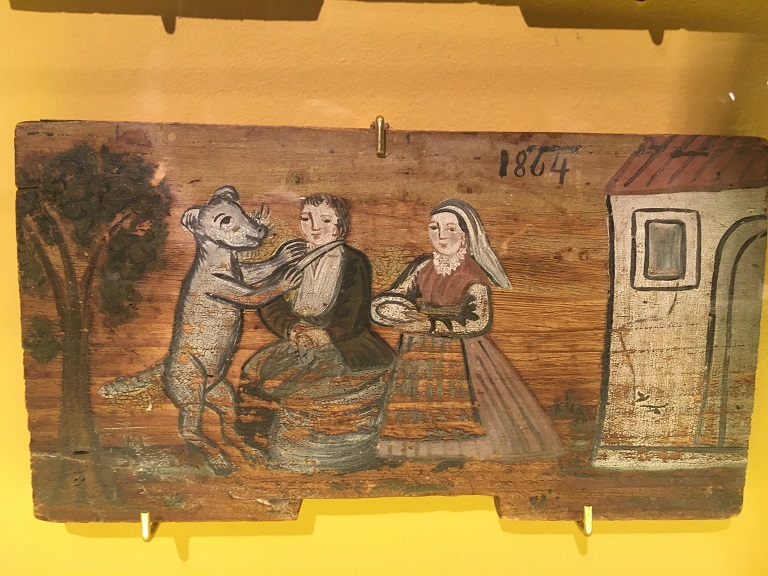
It was time to enter a museum, which I chose to be the Slovenian Ethnographic Museum. The ground floor hosted a very interesting temporary exhibition of Siberian shamanism. There was also a floor on the history of Slovenia, especially in relation to the rest of the world. I found a panel on the history of their xenophobia (below) disarmingly honest. There was also the story of the Čupas, the now extinct wooden boats, that Slovene fishermen dragged from the mainland to the rocky Adriatic coast, where no suitable places to build ports existed. The top floor was dedicated to the traditional arts of honey and ginger bread making. Very atmospheric, with ambient sounds and an exhibition of the beekeepers quirky folk art.

IMG_7098

The museum made me realise that Slovenes are not merely an Alpine or a Mediterranean nation, but a unique mixture of both.

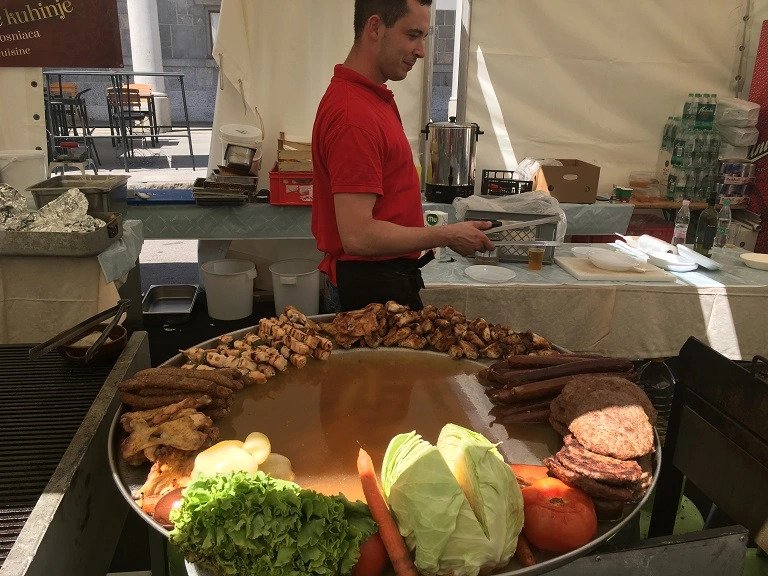
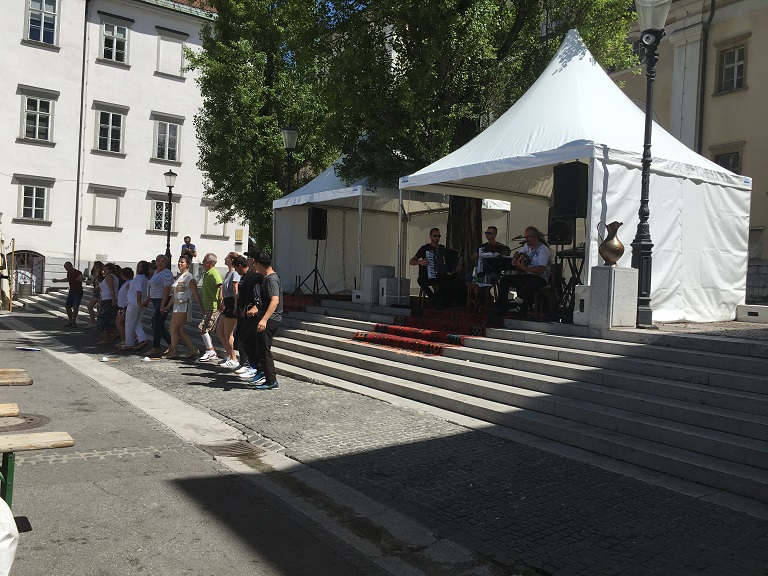
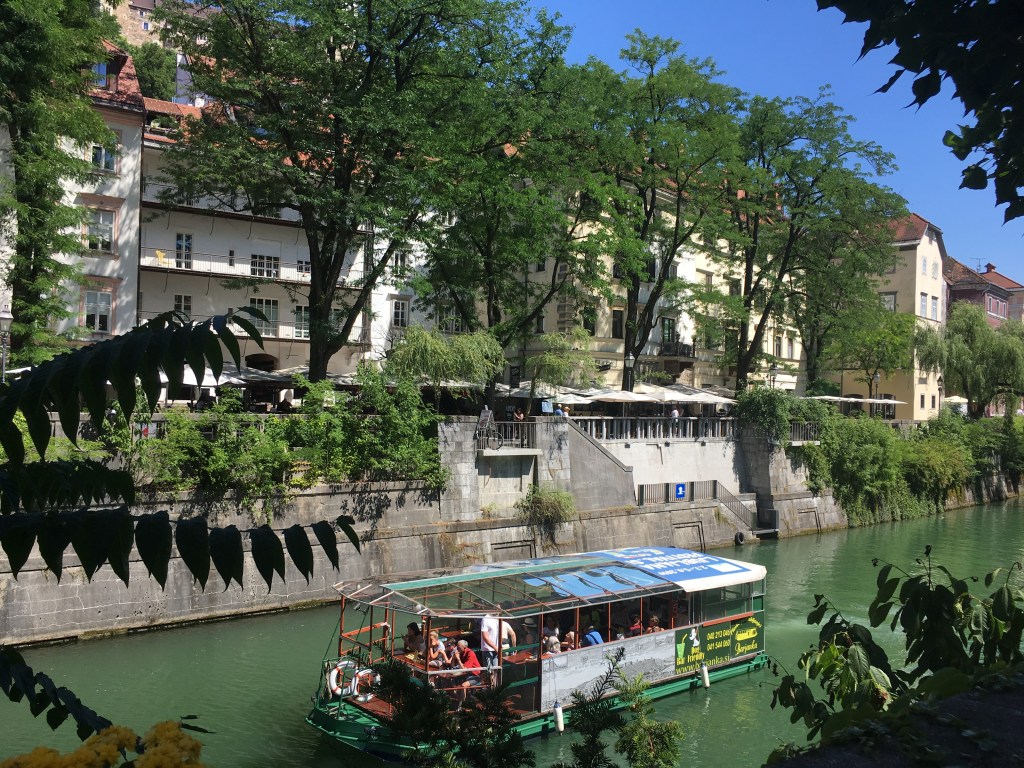
Outside, the town squares and markets of Ljubljana were transforming into a Balkan festival. Folk bands, dances, lots of meat, gelato and many fountains to hydrate under the relentless sun. All happening next to the main river, Ljubljanica.

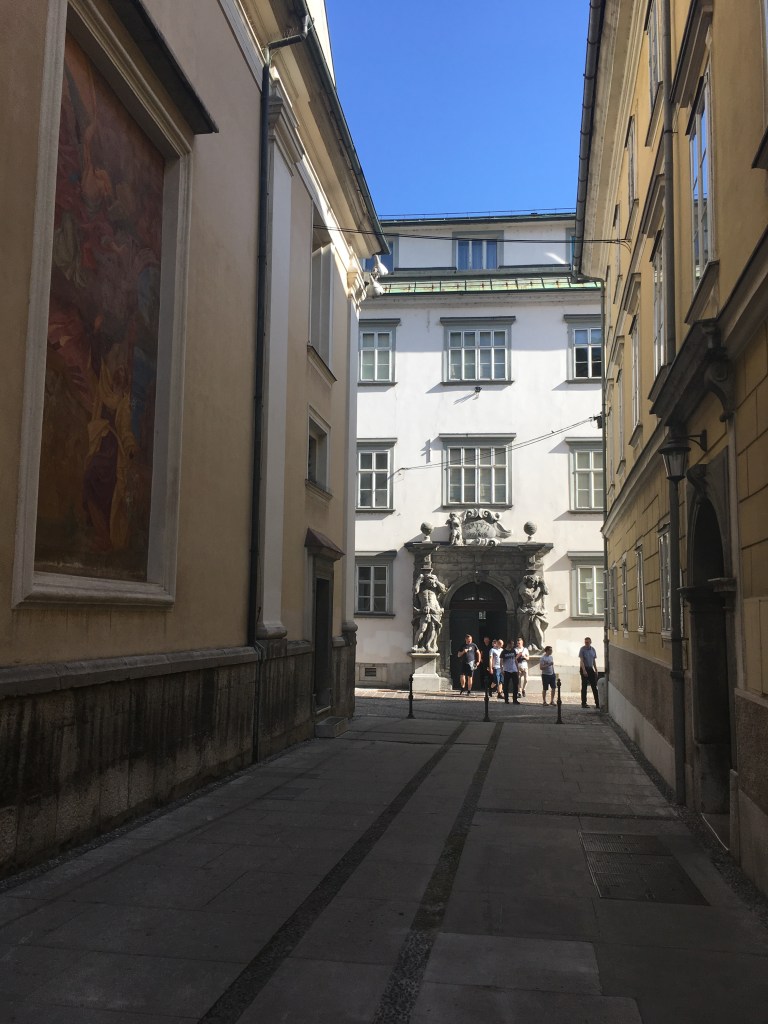
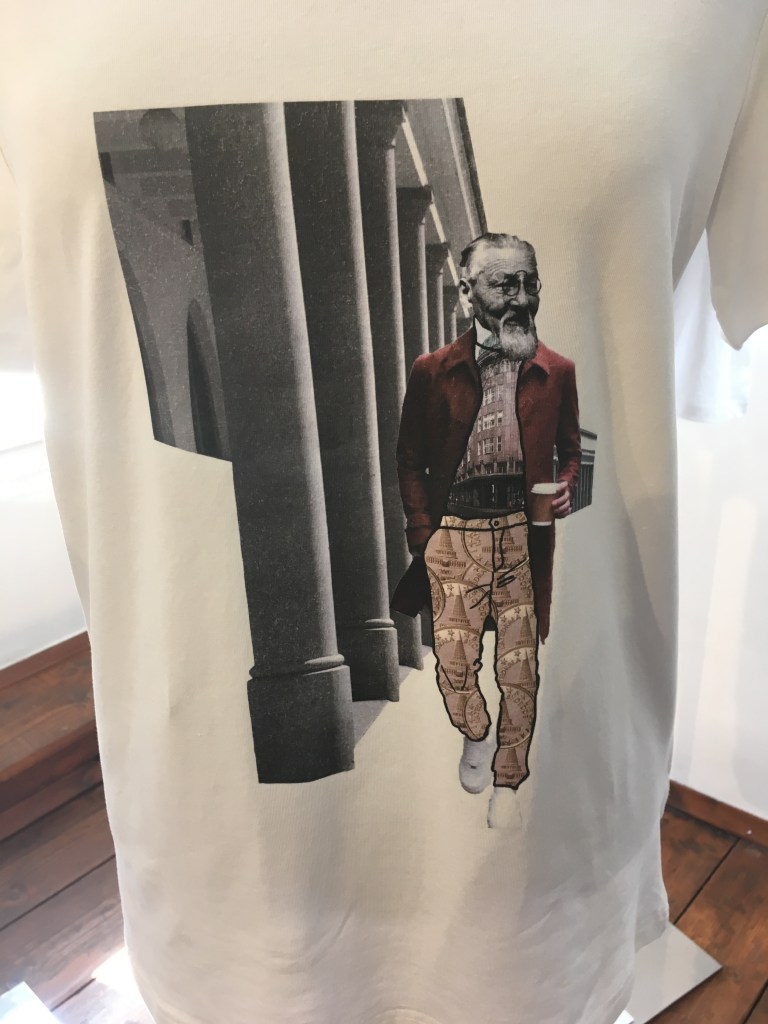
The last hours in Ljubljana we spent admiring the rich architecture. From neoclassical to Art Nouveau, there is something for everyone. There are even Roman ruins for the archaeology geeks among us. One cannot fail to notice the frequent use of classical columns. The perpetrator is a certain Jože Plečnik, Ljubljana’s beloved architect, who can be found even printed on T-shirts. To be honest, I am not sure what to make of all these columns. But the most important is the locals like them, as they seem at least to do.

IMG_7184
IMG_7200
IMG_7217

It was time to depart. I was glad I was introduced to this scenic country with a very unique culture, combining North and South European elements. Also glad that, from now on, I will never confuse Slovenia with Slovakia! The best way to learn the geography of a place is to go there.

IMG_7180

A long weekend in Slovenia: The countryside

I visited Slovenia last June, after the invitation of a friend who lives and works in the capital, Ljubljana. The plan was to combine cycling, trekking and sightseeing and do as much as possible in three days.

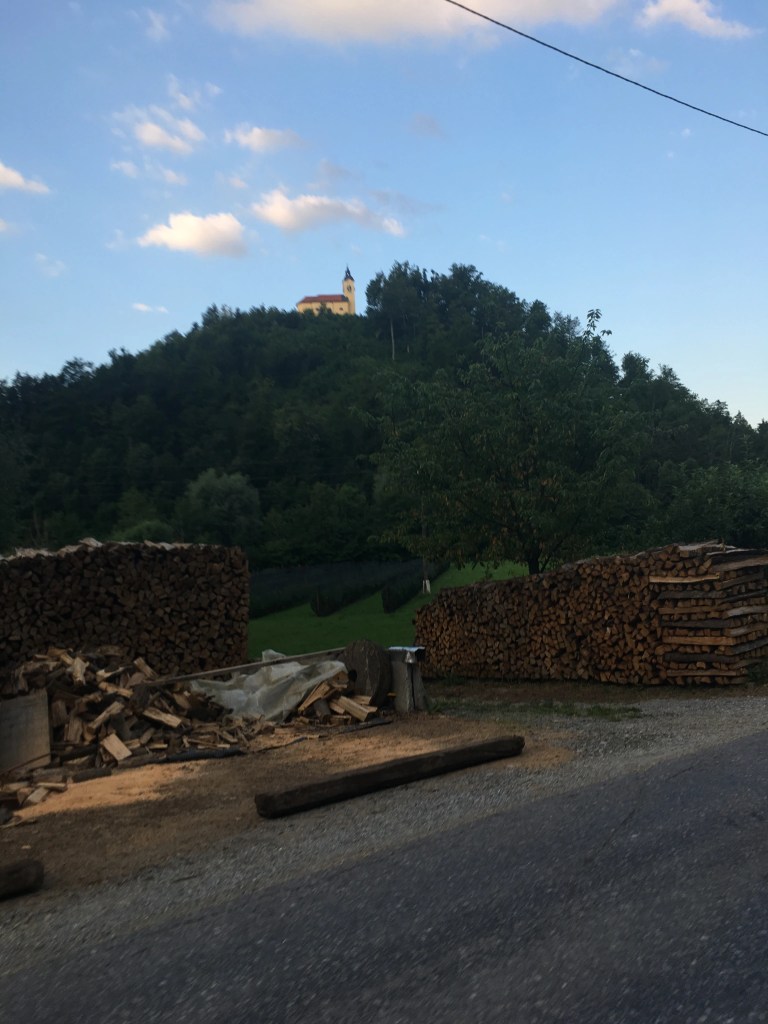
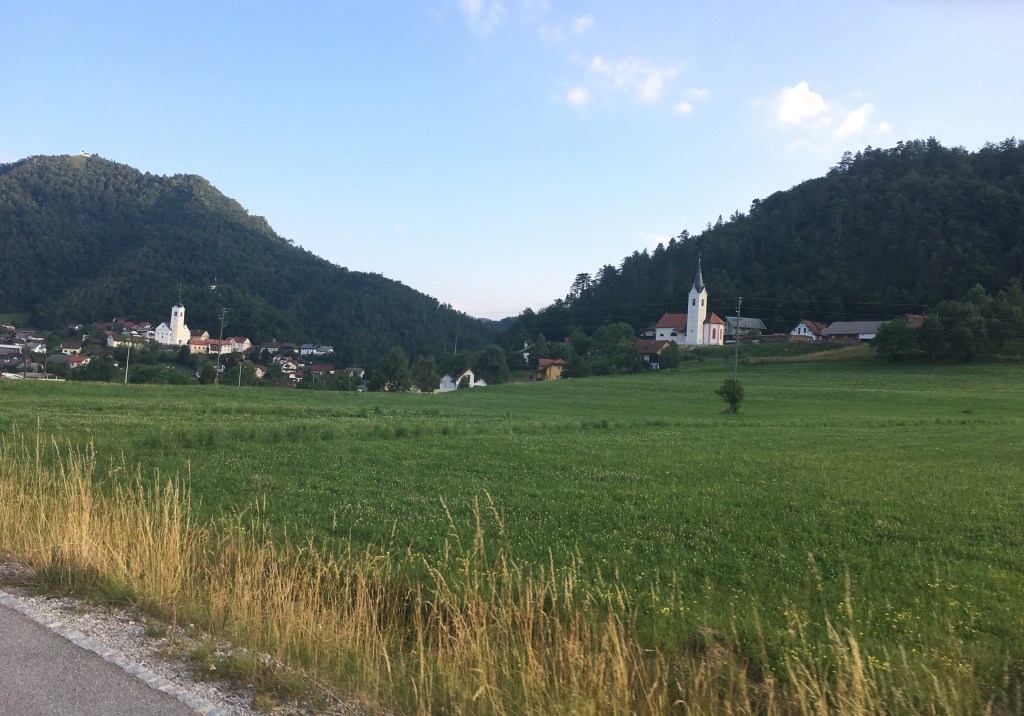
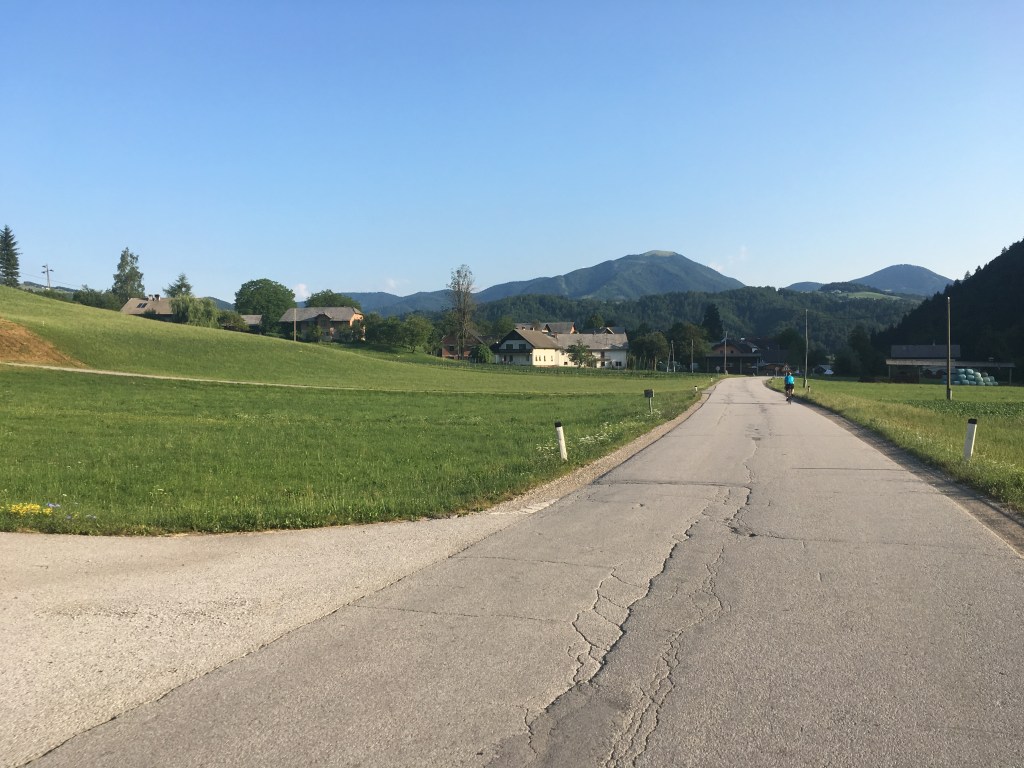
We both took it seriously – some of us more than others – and woke up at 5:00 am on Friday. The roads were empty and the air clean and fresh. The sleepy neighbourhoods and weathered roads of North Ljubljana were not a serious obstacle and soon we were climbing the first hills. Beige church towers with grey pointy roofs overlook dark green and golden summer fields, big piles of wood and small villages. The smell of animals lingered. All was wonderfully rustic.

After passing places with difficult names, like Hrastenice or Polhov Gradec, we heard the bells ringing as we pushed through a steep uphill.

The asphalt became gravel, then asphalt again and we went uphill and downhill all the way to the small river Poljanščica, where we turned right.

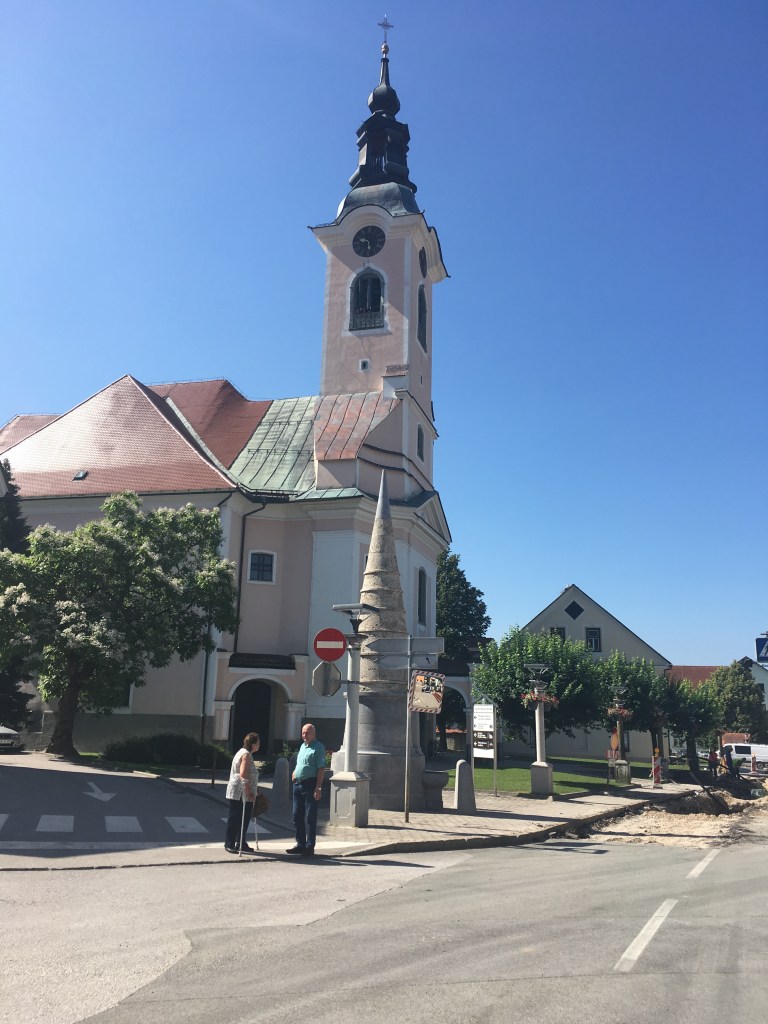
Our midway milestone was the medieval town of Škofja Loka. Surrounded by hills and forest, it sits on both sides of the river. At the edges of the town we could see a church towering a hillock, manor houses with red roofs and a castle dominating all. We rode through the very narrow old streets. It was almost mid morning and people were out doing their business.

The rest of the route was passing through dense small villages and fields. At some point we needed to be creative and do a diversion, since the road heading back south to Ljubljana was blocked by road works. An opportunity to catch a glimpse and photograph some small corners.

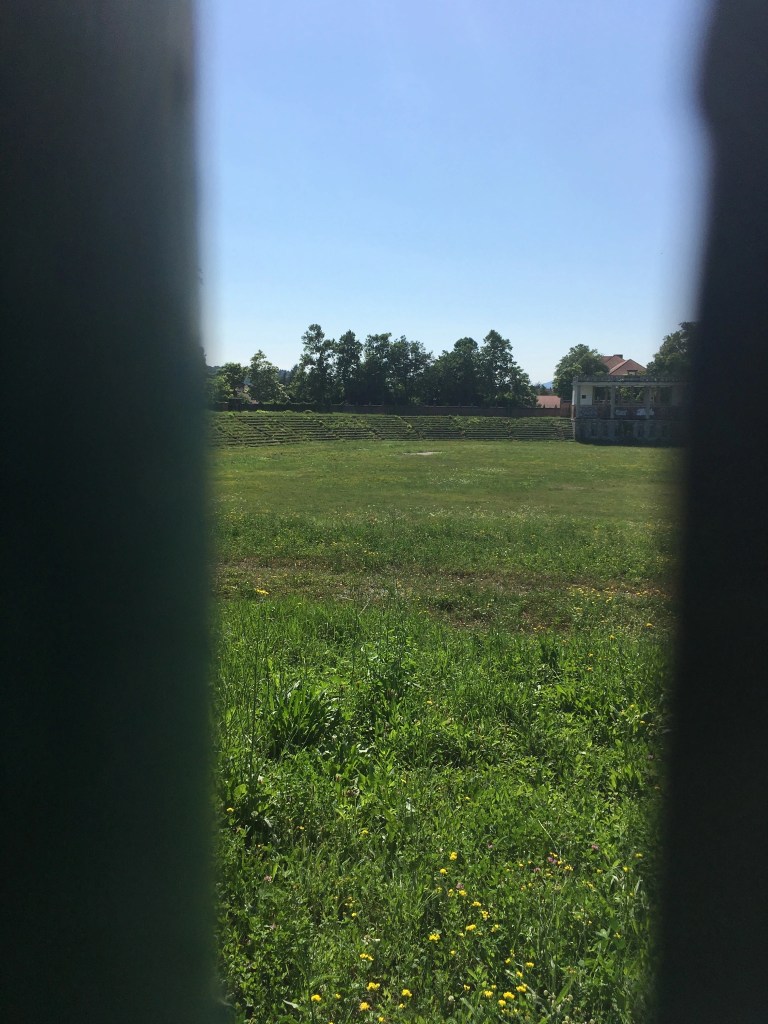
Next morning, we walked to Ljubjiana main coach station. On our way, we passed through the old Olimpija Ljubljana stadium. Nowadays, it is full of weeds. My friend told me half-jokingly, half-seriously it’s safer to wear green clothes around here. And certainly not the purple colours of Maribor FC, their mortal enemies. Well, that’s the Balkans. Don’t be deceived by the clean wide pavements.

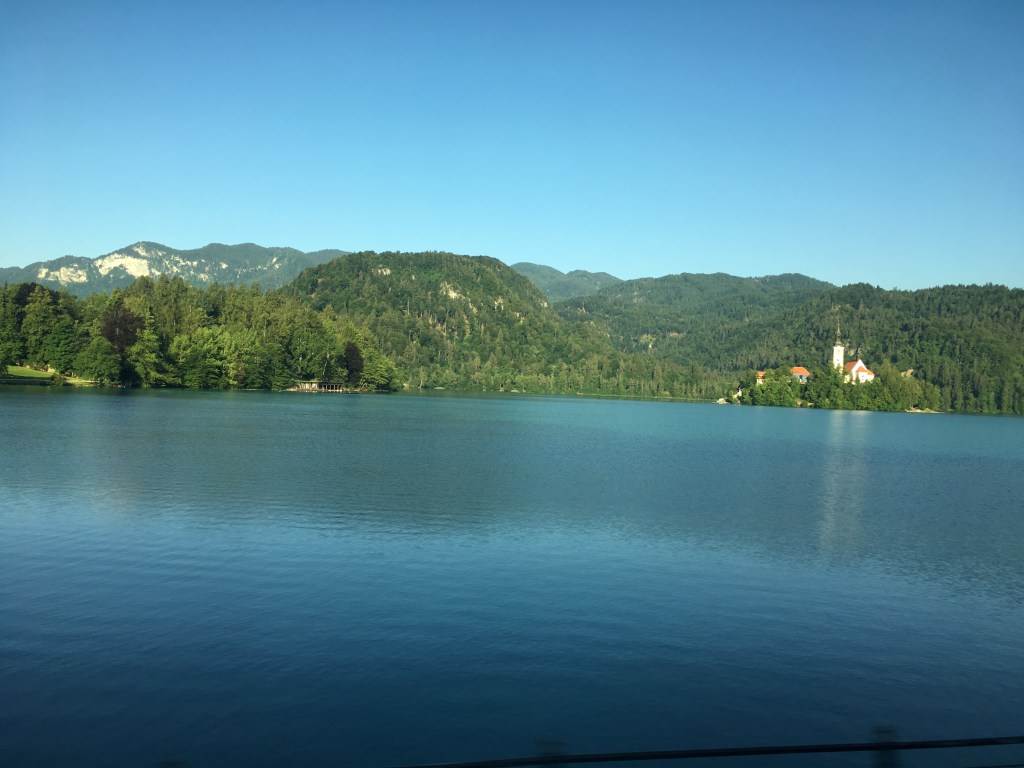
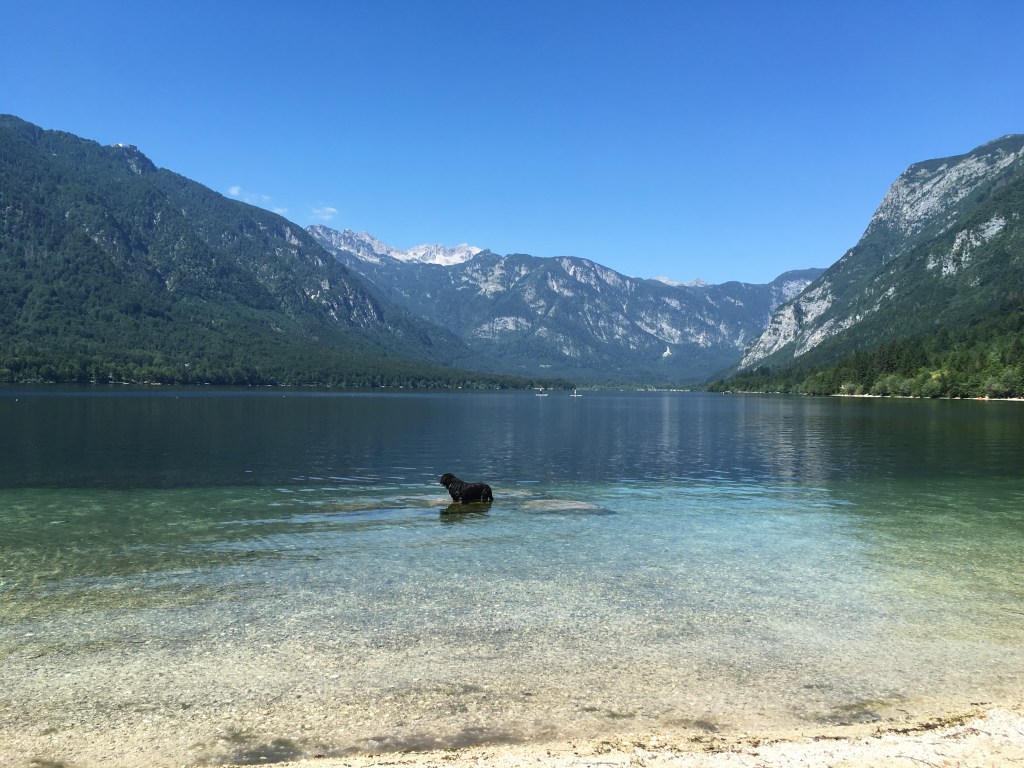
We caught a coach to Lake Bohinj. On the way, we passed by the famous Lake Bled, with its trademark small island and church on it.

When in Bohinj we began our ambitious trek, starting from the west end of the lake. We were about to climb the mountain that commands the north side and descend from the east side. Not too far from the start, though, we had to turn back. “Path closed”. My friend found on-line that there was recently an accident, a Dutch tourist falling over the edge and losing his life. We walked to the Savica waterfall instead, where the man selling tickets complained that many tourists take the trek lightly, wearing flat shoes. I looked at my shoes. Perhaps it was better it was closed!

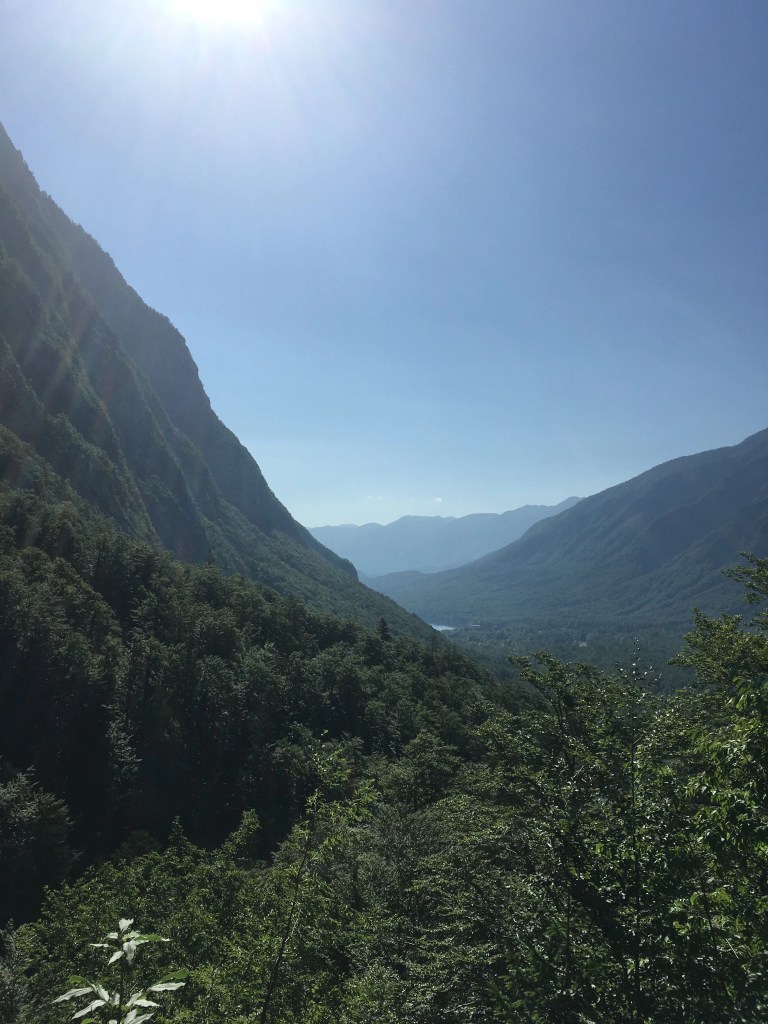
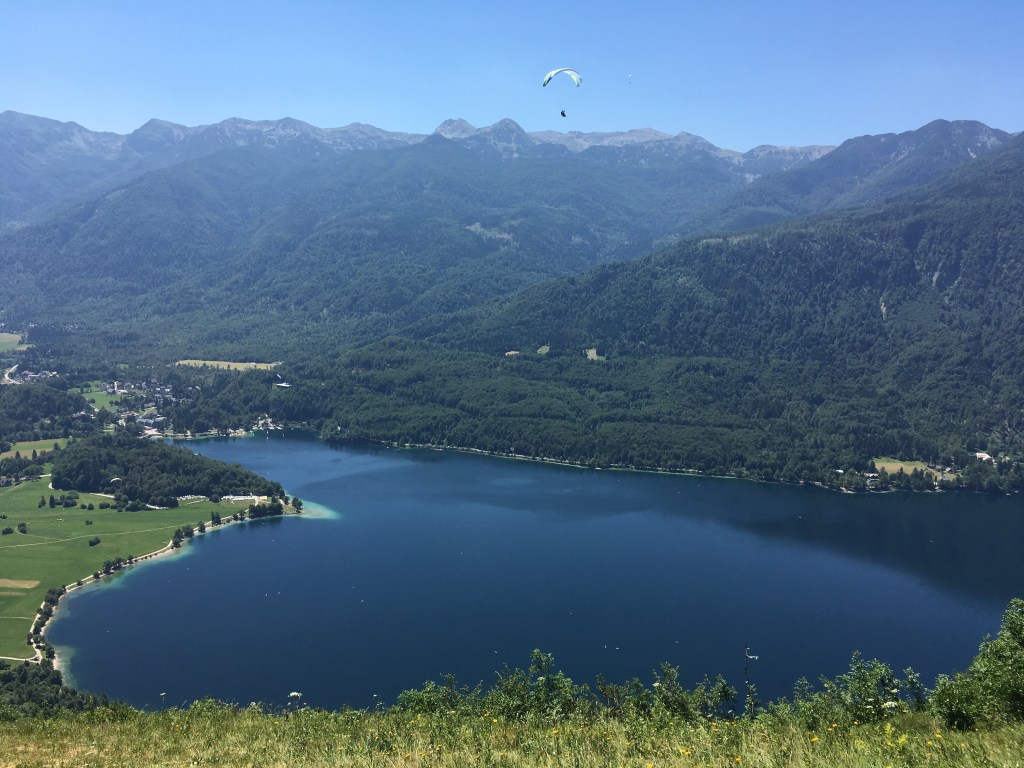
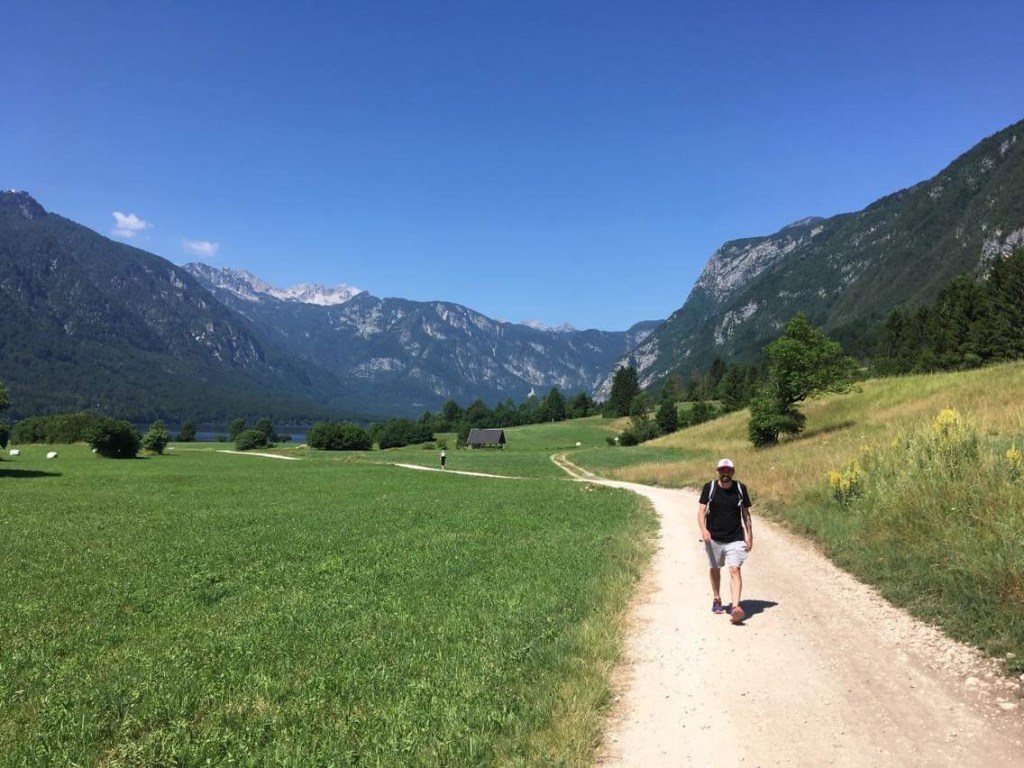
We walked parallel to the north side of the lake. Many people had dropped their bicycles and had dipped into the water. Slovenian people seem to make the most of their outdoors. From the east end, we climbed the mountain until we reached a high point. There we sat and ate our sandwiches taking a good view of the wild Slovenian country.